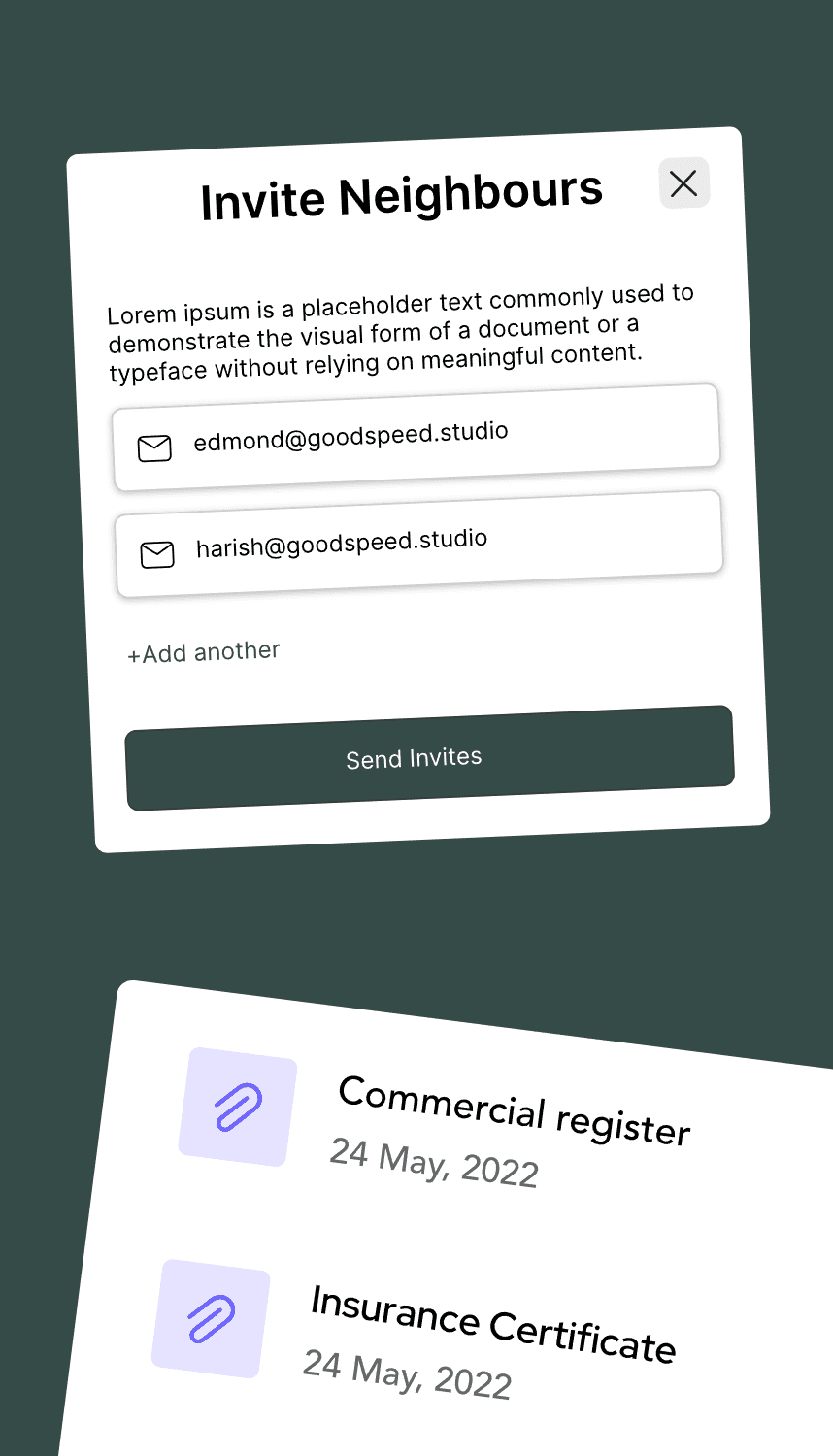
Building a property platform 10x cheaper than code that saves 10 hours a week

  • Industry

    Real Estate

  • Tools

    • Bubble

  • Services

    • Development

    • Design

  • 10 hours

    Saved per week

    Saved per week

  • 3 months

    To delivery

    To delivery

  • 10x cheaper

    than traditional code

    than traditional code

  • Managing property portfolios is messy: scattered documents, endless admin and poor tenant communication. Rob needed a smarter way to scale operations and engage tenants, without the cost or complexity of building it in code.

  • Robert Lo Blue, CEO, Freeholder

    Felt like they were part of my team. They understood the problem.

    Robert Lo Blue

    CEO, Freeholder
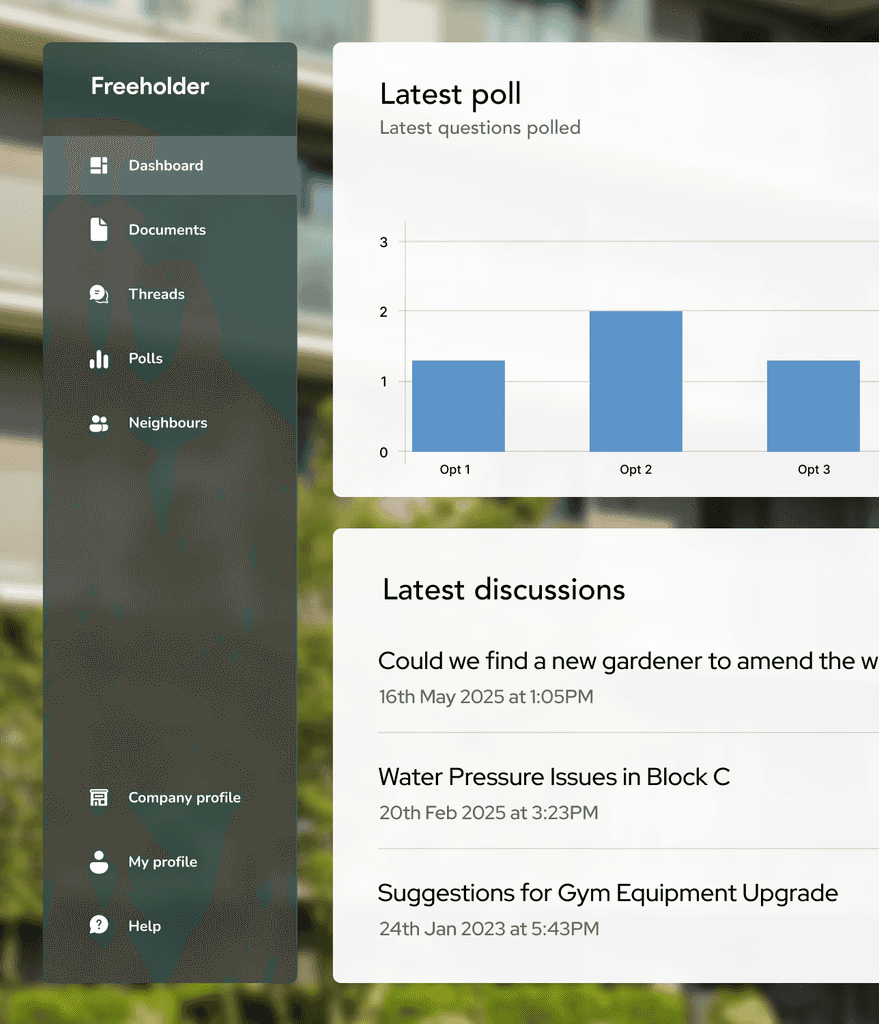
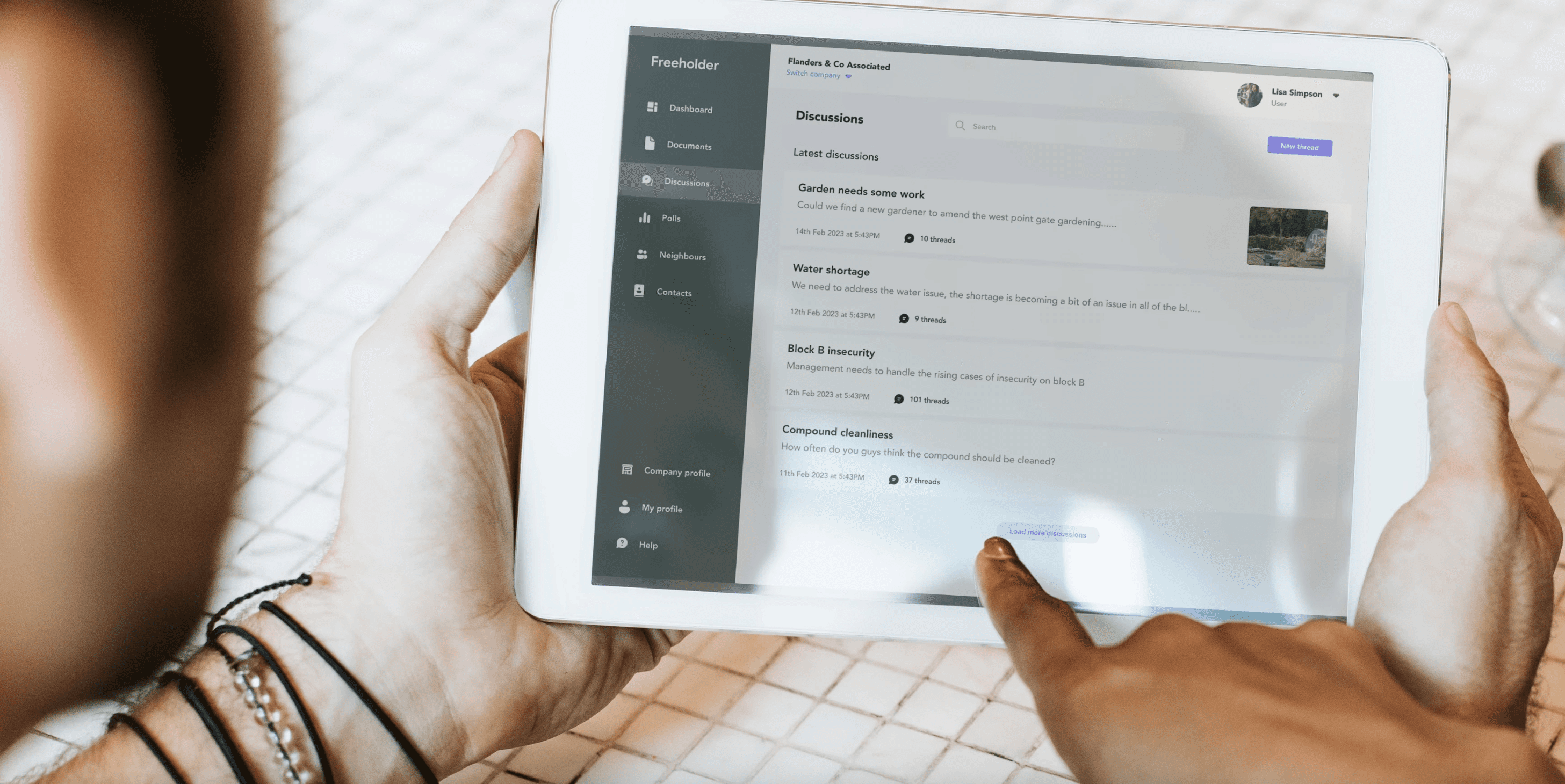
  • Freeholder case study screenshot
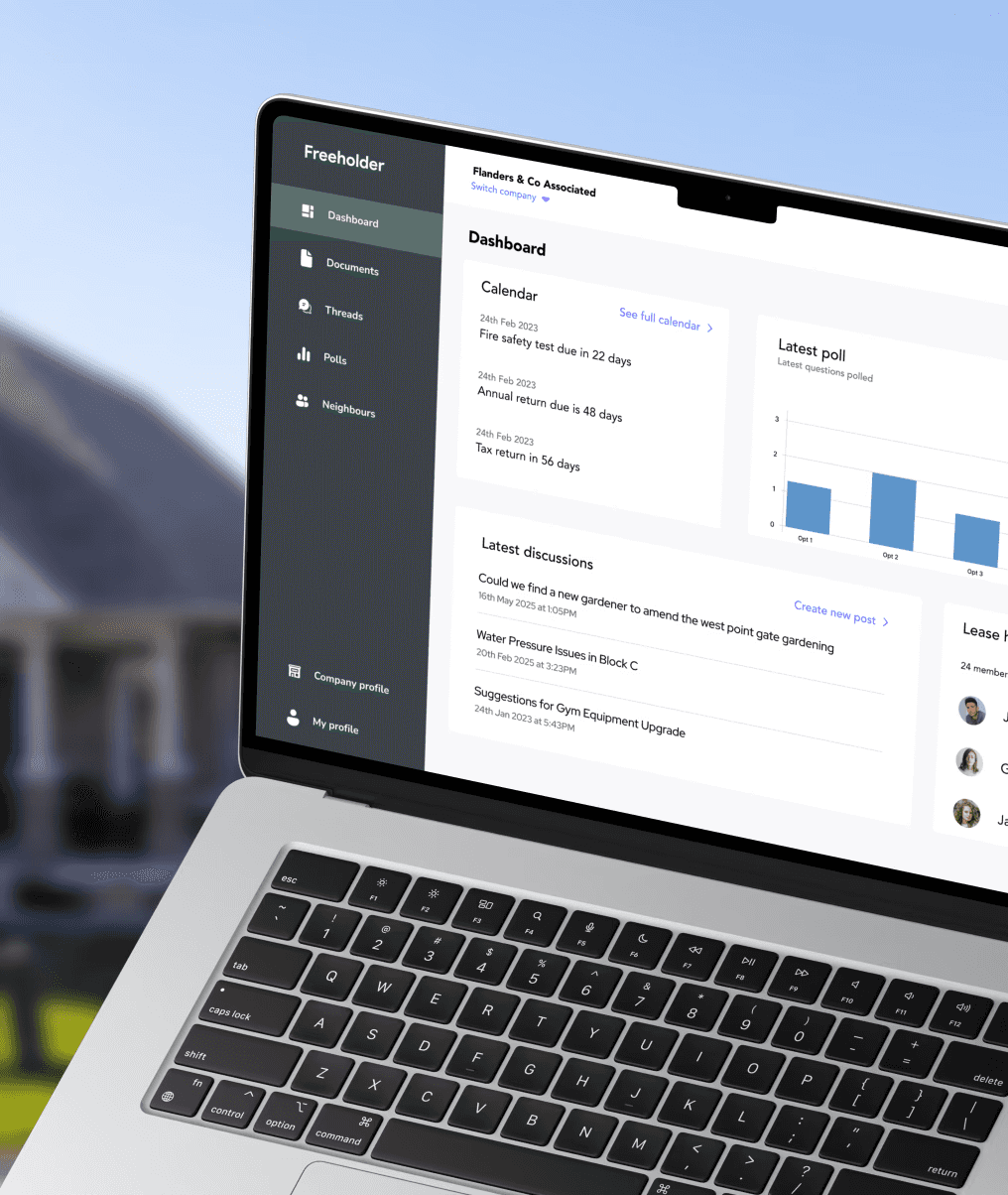
    Freeholder case study screenshot
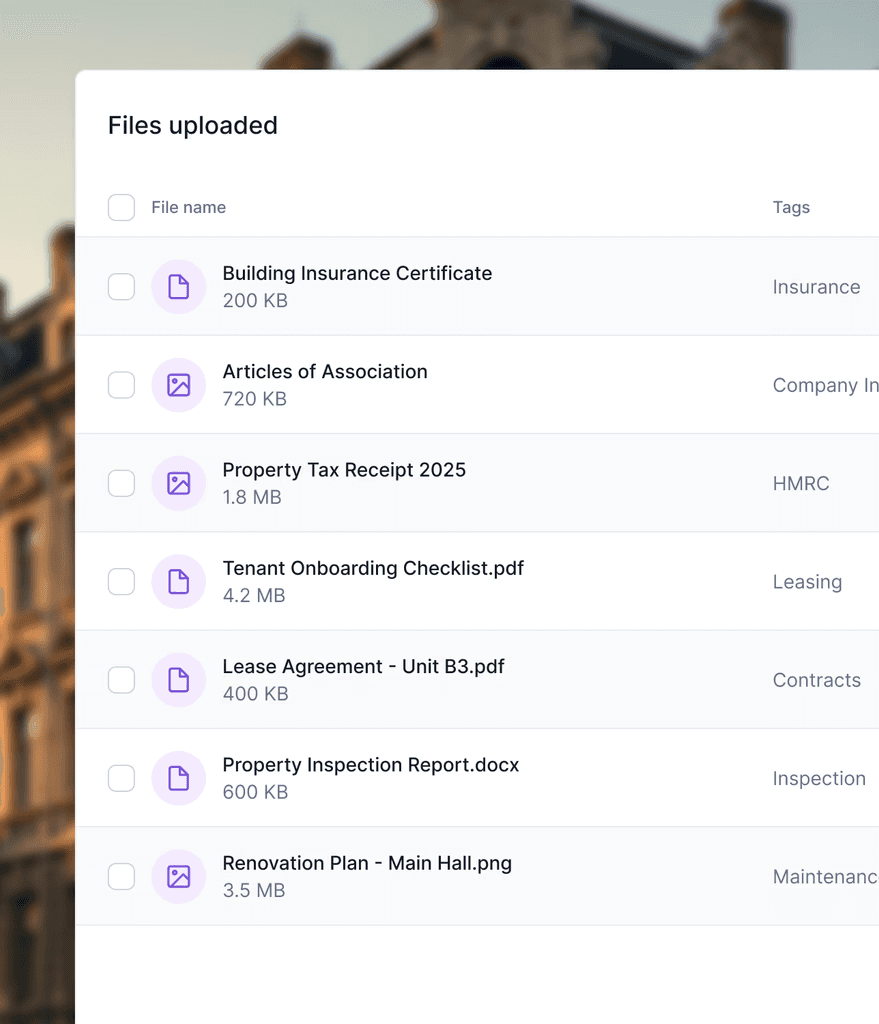
    Freeholder case study screenshot
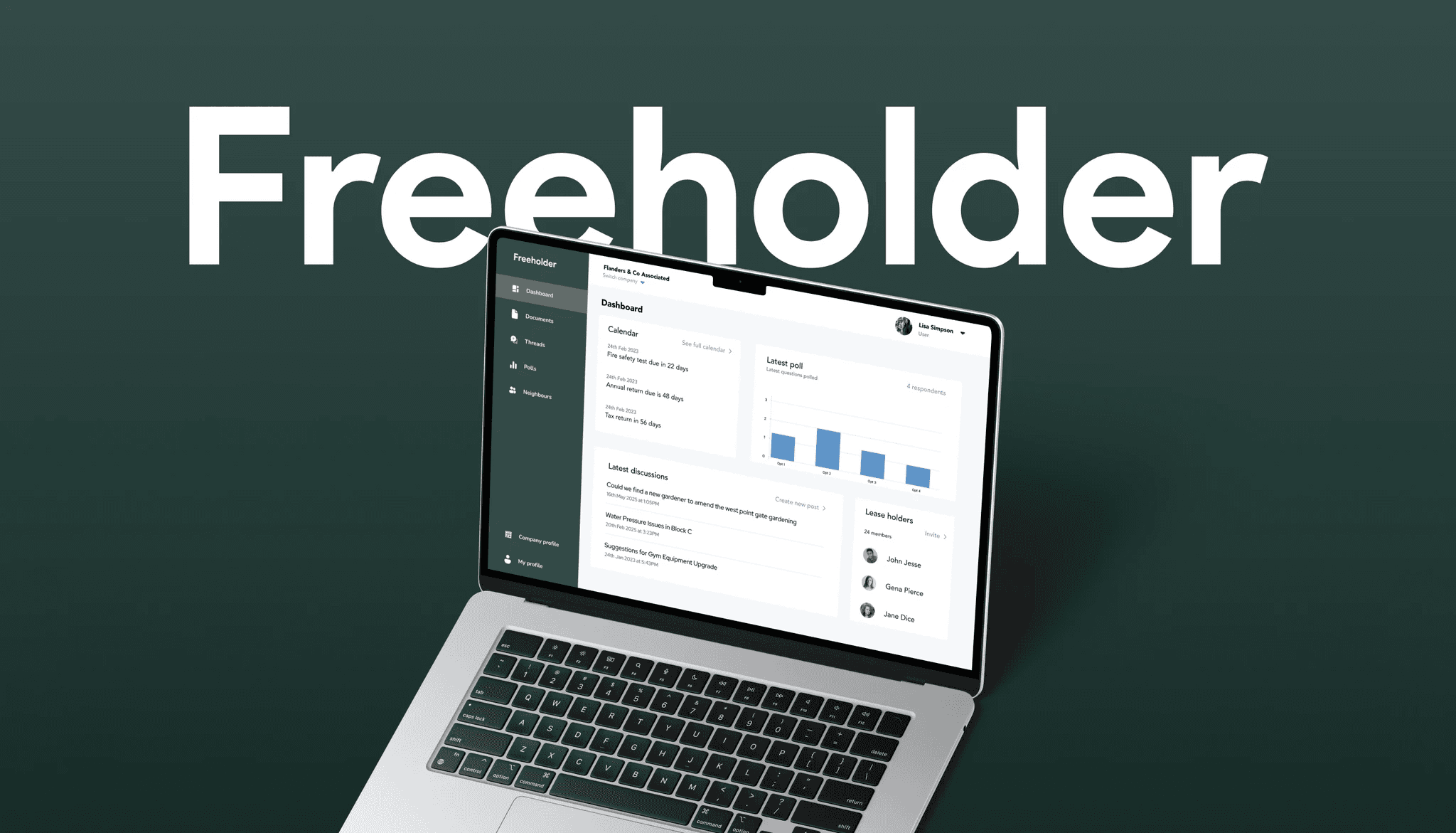
    Freeholder case study screenshot
    Freeholder case study screenshot
    Freeholder case study screenshot
  • Freeholder case study screenshot
    Freeholder case study screenshot
    Freeholder case study screenshot
    Freeholder case study screenshot
    Freeholder case study screenshot

Next Case Study

Moving a Finance SaaS Off Wix and Onto Framer in 6 Weeks

Highpath is a funding workspace for founders, CFOs and financing partners. We migrated their site off Wix Studio, rebuilt it as a 20-page site in Framer, and turned one flat website into three role-based buyer journeys, with tracking carried across and no downtime.

  • Framer

Finance

Highpath on a laptop

A 6B-view creator network, off Webflow and onto a site its team runs

Bent Pixels runs a YouTube creator network with more than 6 billion monthly views. Its Webflow site had stopped keeping up, and the plan to fix it was a day of AI prompts.

Instead, we moved it from Webflow to Framer in six weeks, gave the team a site they run themselves, and then extended into decks, call backgrounds and social assets.

  • Framer

Media

Bent Pixels on a studio display

Training a $1bn HR company to become AI builders and save $105k a year

Oyster is a $1.2bn global employment platform, an Employer of Record that helps companies hire, pay and support teams across 180+ countries, and they wanted that capability to live inside their own people. So we ran the AI Accelerator, a six-week n8n programme that took ~20 people from Legal, HR, Payroll, Product and Revenue Operations, most starting from zero, and turned them into builders who now ship and maintain their own workflows. Oyster's own measurement: $105k a year and 3,658 hours given back to teams with all their live automations.

This is for operations, HR or finance leaders who want their own people to build and own automations, not a build they cannot change themselves. If that is you, book a call.

  • n8n

HR

Oyster on a laptop

Frequently Asked Questions

    • How does no-code actually compare to traditional development on cost?

      Freeholder shipped 10x cheaper than a traditional codebase, in under three months. The cost difference comes from speed of iteration and not paying for a backend team to maintain code that doesn't need to be custom. The savings are real when the use case fits.

    • We have multiple user types with different needs. How do you handle that in one product?

      Freeholder has property managers managing portfolios and tenants who need transparency. We mapped both user flows in discovery before designing a single screen. The platform serves both without making either feel like an afterthought.

    • We don't want to spend forever in design rounds. How do you keep things moving?

      For Freeholder, weekly Loom walkthroughs kept everyone aligned and allowed for rapid iteration. Feedback flows in async, decisions get made fast, the next iteration ships. Long design cycles usually hide unclear decisions, not real work.

    • We're saving time but tenants need a real way to communicate. Can the platform handle that?

      Freeholder has a tenant forum, direct messaging, and an automated reminder system. The tools that save the property manager time are the same tools that give tenants a clear voice. Both sides win when the platform is designed for both.

    • How does discovery work for a SaaS like this?

      We started with discovery sessions to map needs and user types, built flows on Miro together, then turned those into low-fi wireframes. By the time design started, the product logic was settled. Discovery is where the build stops being expensive.

Goodspeed logo icon

Join our newsletter

© 2026 Copyright. All Rights Reserved.