



Marketing Attribution Dashboards for Smarter Decisions
Gain real-time clarity on which campaigns drive true ROI. Our Marketing Attribution Dashboards unify data, optimize spend, and empower confident, data-driven marketing strategies.
Gain real-time clarity on which campaigns drive true ROI. Our Marketing Attribution Dashboards unify data, optimize spend, and empower confident, data-driven marketing strategies.
8 founders booked a call this week
We’ve created products featured in

2x Cheaper
10x Faster
200+ Products Launched
100% 5* reviews on Clutch
Our Services
Build Clarity, Not Confusion
We design dashboards that reveal exactly where your marketing dollars create impact.
We design dashboards that reveal exactly where your marketing dollars create impact.

Unified Data Aggregation Layer
At the core lies a robust data aggregation layer that consolidates disparate marketing, sales, and customer data sources into a single canonical schema. This layer uses API connectors, ETL workflows, and webhook listeners to continuously ingest and normalize data from CRMs, ad platforms, email systems, and analytics tools. Founders benefit from a holistic, trustworthy data foundation, eliminating silos and manual reconciliation. The low-code environment allows ops teams to extend or modify data mappings rapidly, ensuring the dashboard evolves with changing integrations and data formats. This approach minimizes latency and maximizes data integrity.
Customizable Workflow Automation
Built-in workflow automation enables triggering actions based on attribution insights, such as reallocating budgets, alerting teams, or updating CRM records. Using visual low-code builders, product managers can design complex, conditional workflows without writing code. These workflows leverage APIs and background jobs to automate repetitive tasks, reduce human error, and accelerate data-driven responses. This feature addresses operational bottlenecks by embedding attribution intelligence directly into business processes, ensuring timely and compliant execution across marketing and sales teams.
Customizable Workflow Automation
Built-in workflow automation enables triggering actions based on attribution insights, such as reallocating budgets, alerting teams, or updating CRM records. Using visual low-code builders, product managers can design complex, conditional workflows without writing code. These workflows leverage APIs and background jobs to automate repetitive tasks, reduce human error, and accelerate data-driven responses. This feature addresses operational bottlenecks by embedding attribution intelligence directly into business processes, ensuring timely and compliant execution across marketing and sales teams.
Enterprise-Grade Security & Compliance
Our platform incorporates stringent security protocols including role-based access control, data encryption at rest and in transit, and audit logging. This ensures sensitive marketing and customer data remains protected while complying with GDPR, CCPA, and industry-specific regulations. Ops leads gain peace of mind knowing that data governance policies are enforceable through the low-code tooling, allowing rapid adjustments to permissions and compliance workflows. This robust security framework differentiates our solution from less mature low-code offerings that often lack enterprise compliance rigor.
AI-Driven Anomaly Detection
Integrated AI algorithms continuously monitor attribution data streams to detect anomalies such as data gaps, unexpected performance shifts, or attribution model drift. These insights are surfaced via alerts and visual indicators within the dashboard, enabling early intervention by ops or product teams. The AI modules plug into the low-code platform’s automation and analytics layers, providing explainable outputs to maintain trust and transparency. This capability reduces manual auditing effort and enhances data reliability, a critical advantage for enterprises managing complex marketing ecosystems.
Extensible API & Integration Framework
Designed for interoperability, the dashboard offers a flexible API-first architecture allowing seamless integration with existing enterprise tools like Salesforce, HubSpot, Google Analytics, and various ad networks. The low-code environment supports connectors and custom API calls, enabling teams to extend functionality or incorporate proprietary data sources easily. This extensibility ensures the dashboard fits naturally within evolving tech stacks, reducing integration costs and increasing adoption. Founders and ops leads benefit from a future-proof solution that adapts to changing business needs without rebuilding from scratch.
Ready to replace chaos with clockwork?
Custom internal tools & lightweight SaaS products
that actually fit your business
How We Automate
Automation That Decodes Performance
From data ingestion to ROI tracking, we automate every step of your attribution workflow.
From data ingestion to ROI tracking, we automate every step of your attribution workflow.
Real-Time Data Sync
We automate real-time synchronization of marketing and sales data via APIs and webhook listeners, ensuring attribution dashboards reflect the latest interactions without manual updates. Background workers orchestrate incremental data ingestion and transformation pipelines, maintaining data freshness with minimal latency. This automation accelerates decision cycles and reduces data staleness risks, critical for fast-moving marketing operations.
Automated Alerting & Anomaly Response
Our system triggers automated alerts when AI detects attribution anomalies or KPI deviations. These alerts integrate with communication platforms like Slack or email, enabling ops teams to respond promptly. Additionally, conditional workflows can initiate corrective actions such as pausing underperforming campaigns or flagging data issues, streamlining operational efficiency and compliance adherence.
Budget Reallocation Workflows
Users can interact with the dashboard via natural language queries, powered by AI language models integrated into the platform. This capability lowers the barrier for non-technical stakeholders to extract complex attribution insights quickly, supporting data-driven decision making across teams without SQL or dashboard design expertise.
Automated Reporting & Export
Scheduled workflows generate and distribute customized attribution reports in multiple formats (PDF, CSV) to stakeholders. These exports integrate with BI tools or data warehouses via connectors, facilitating downstream analysis and archiving. Automation ensures consistent reporting cadence and reduces manual compilation errors.
AI-powered
AI That Uncovers Hidden Value
AI models detect anomalies, normalize data, and surface insights faster than manual analysis ever could.
AI models detect anomalies, normalize data, and surface insights faster than manual analysis ever could.
Attribution Model Optimization
AI analyzes historical marketing performance and customer journey data to recommend optimal attribution models tailored to specific business goals. This integration within the low-code environment enables teams to test and implement model adjustments rapidly, improving accuracy and marketing effectiveness without requiring specialized data science resources.
Predictive Channel Performance
Leveraging machine learning, the dashboard forecasts channel-level performance trends based on seasonality, budget changes, and external factors. These predictions feed into automation workflows, enabling proactive campaign adjustments. The AI modules interface seamlessly with low-code connectors, making predictive insights accessible and actionable.
Natural Language Querying
Users can interact with the dashboard via natural language queries, powered by AI language models integrated into the platform. This capability lowers the barrier for non-technical stakeholders to extract complex attribution insights quickly, supporting data-driven decision making across teams without SQL or dashboard design expertise.
Anomaly Explanation & Root Cause Analysis
Beyond anomaly detection, AI algorithms provide explainable root cause analysis by correlating attribution deviations with external events, campaign changes, or data quality issues. This feature supports ops leads in diagnosing problems faster and prioritizing remediation efforts, enhancing trust in automated monitoring.
Success Stories
See How Our Custom Tools Run Real Businesses
See How Our Custom Tools Run Real Businesses
200+ Launches. 5-Star Results. Countless hours saved for teams.
200+ Launches. 5-Star Results. Countless hours saved for teams.
GameU
Edtech
To Build
3 Months
Hours of Courses
1,300+
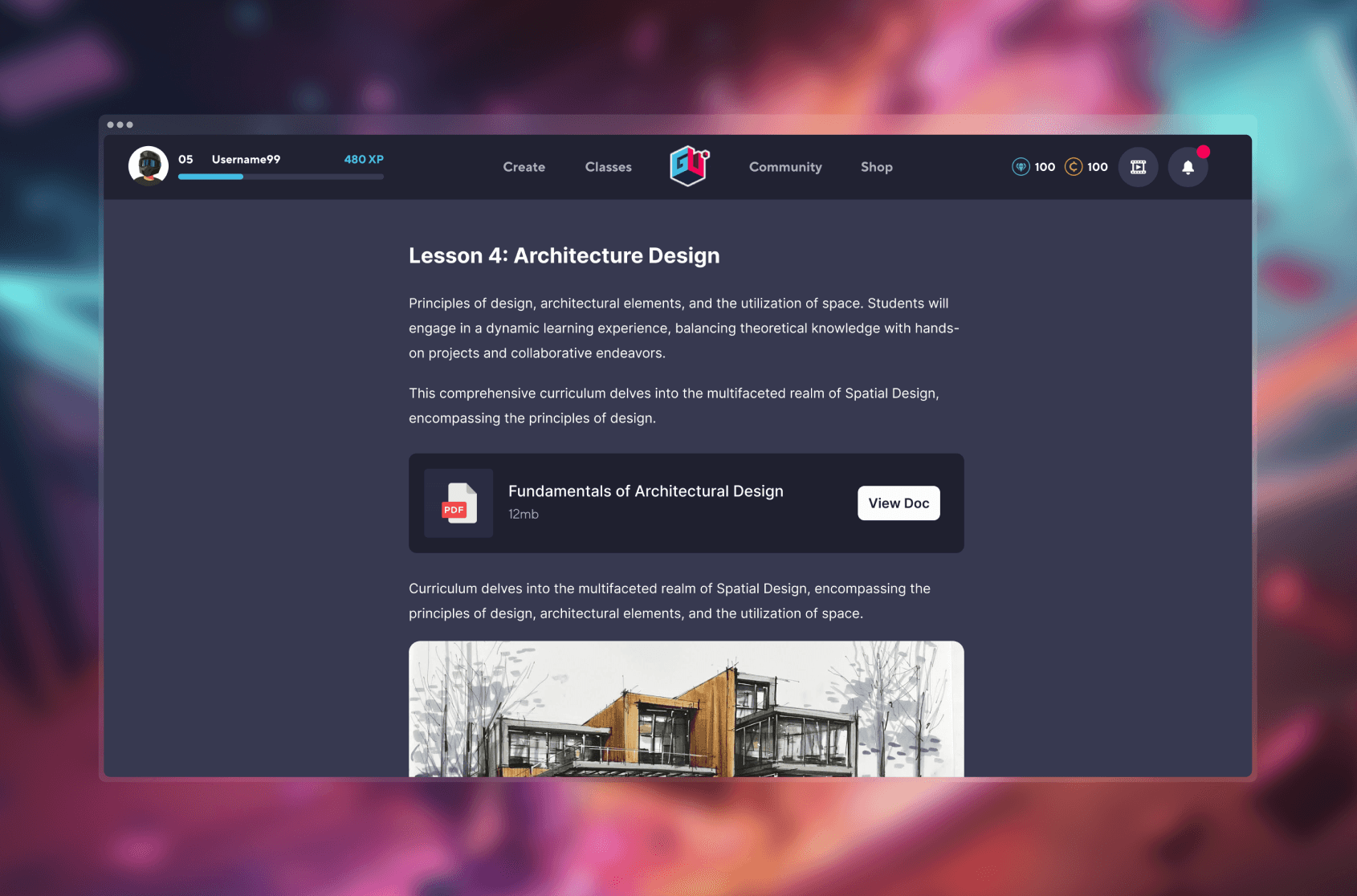
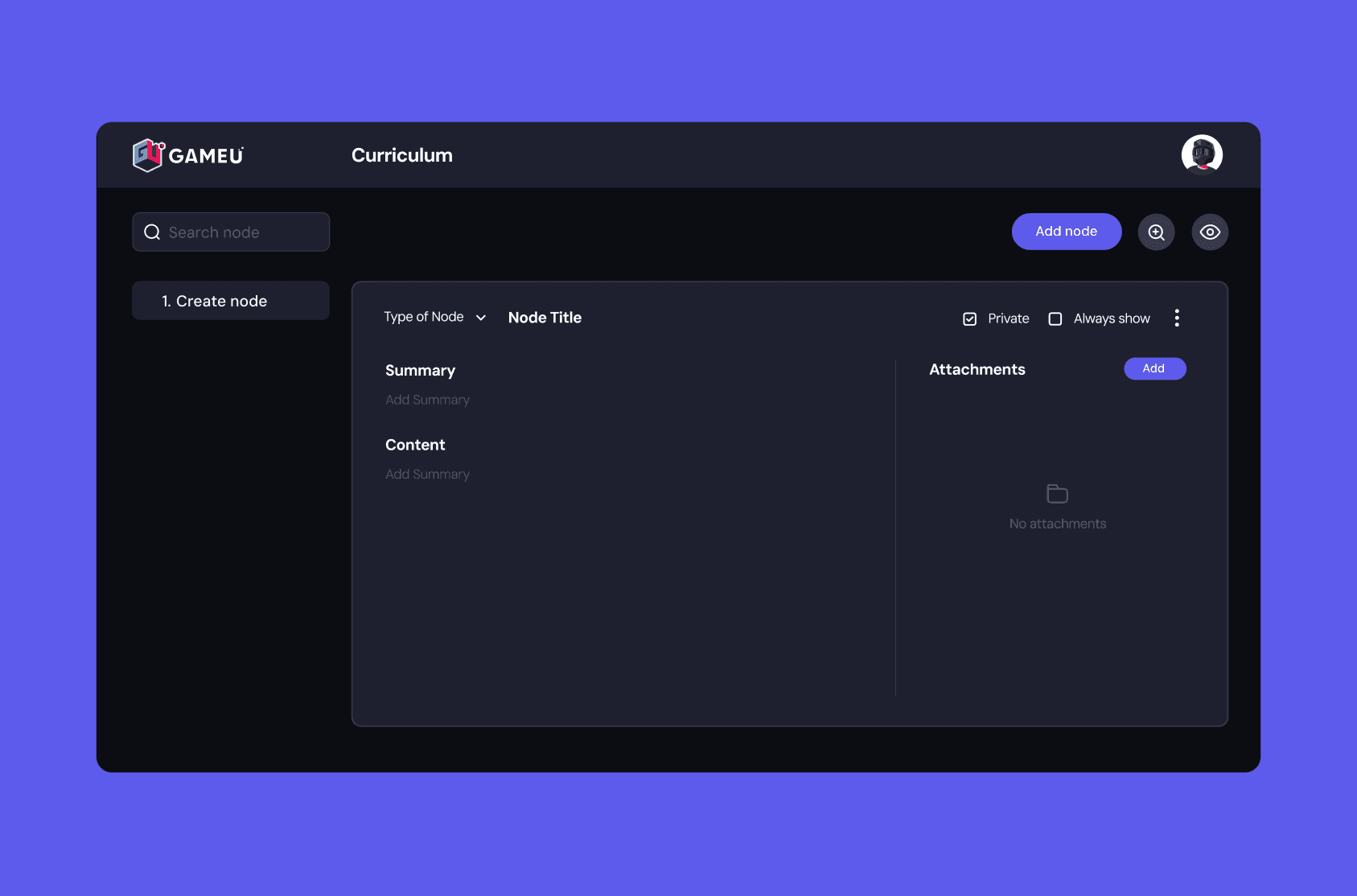
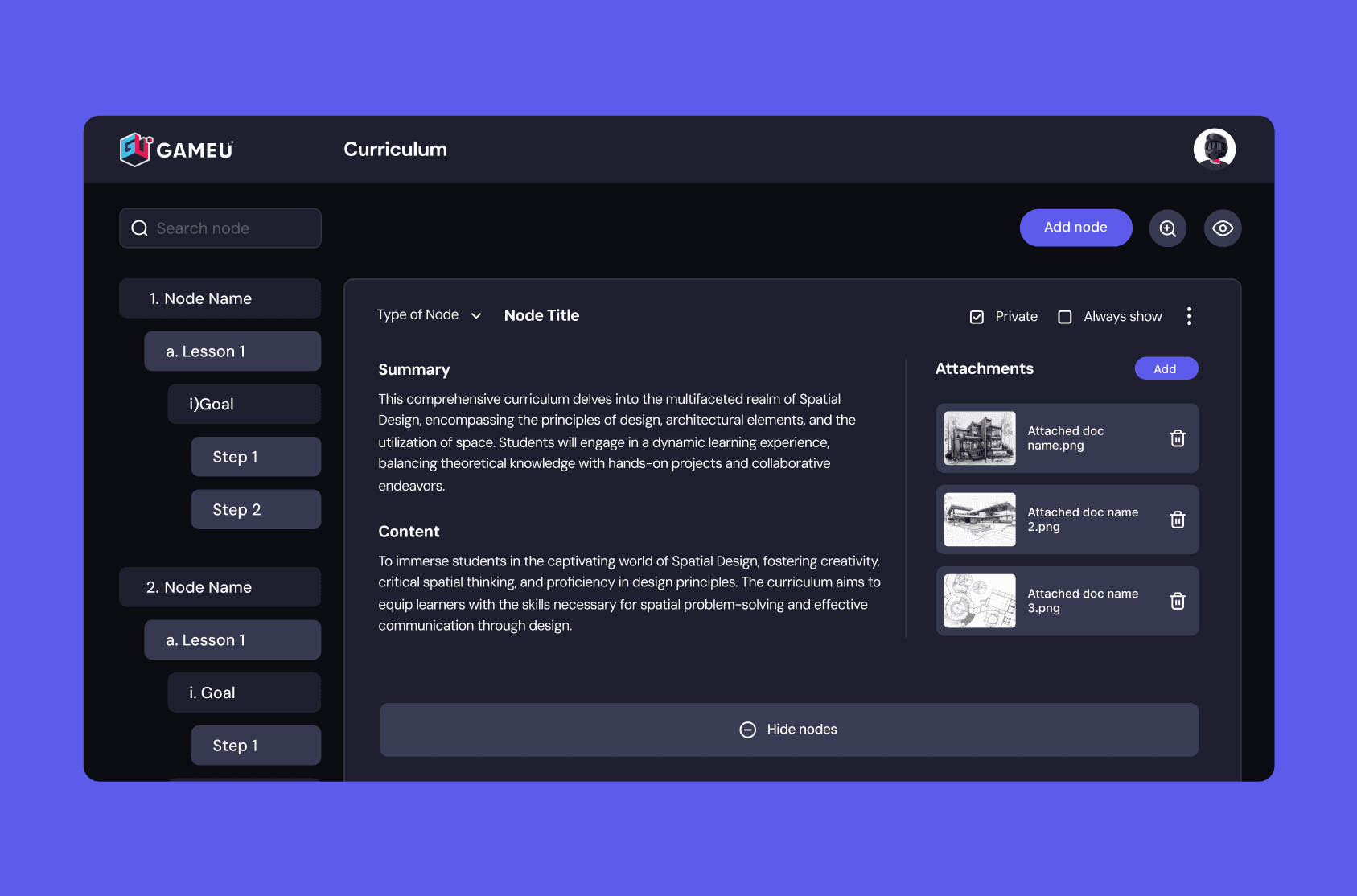

A redesigned tool with clean UX saves the founder's time and earns more.
It was great to see how fast they were able to ramp up our project and understand what we were trying to build.

Michael Kawas
Founder
MyAskAI
AI
Reduction in CPU
30%
Code references optimised
500+
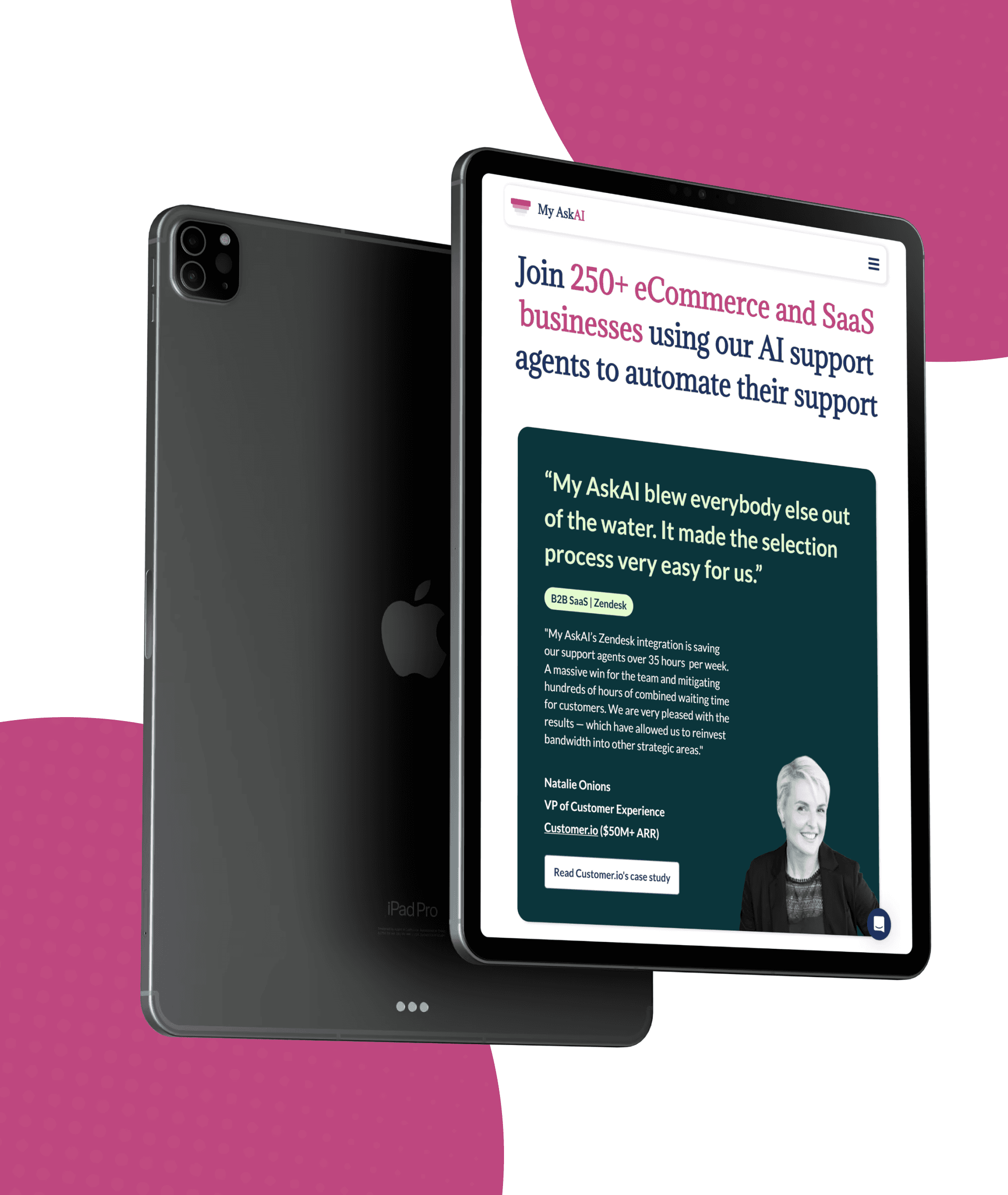
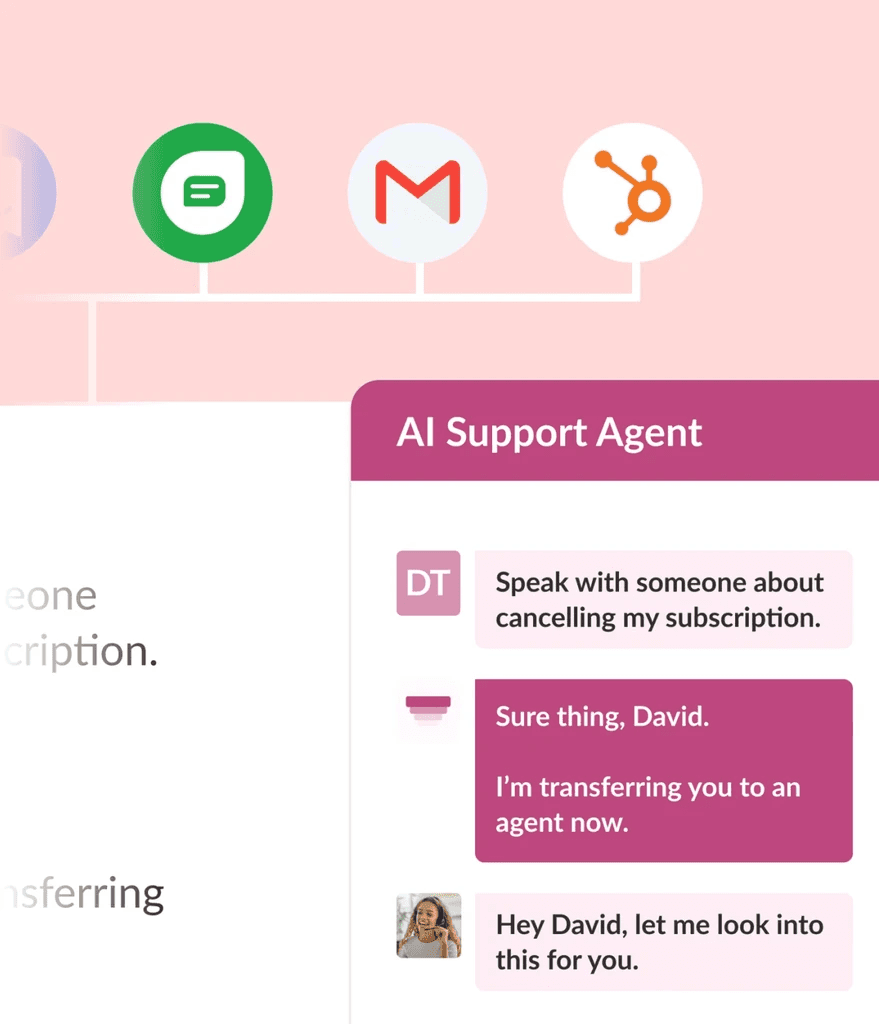
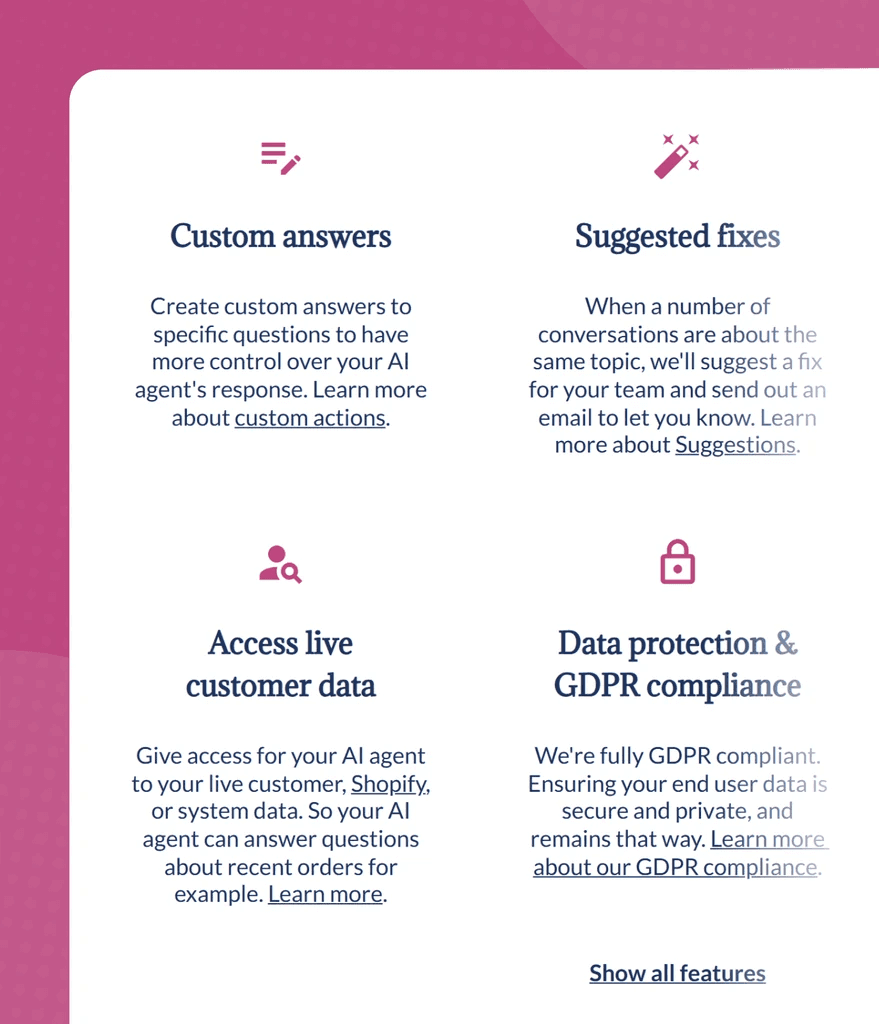

A redesigned tool with clean UX saves the founder's time and earns more.
It was the best project management service I've experienced working with third-party developers or agencies

Alex Rainey
CEO
SummerMatch
Edtech
By Guidewell
Acquired
Faster
2x
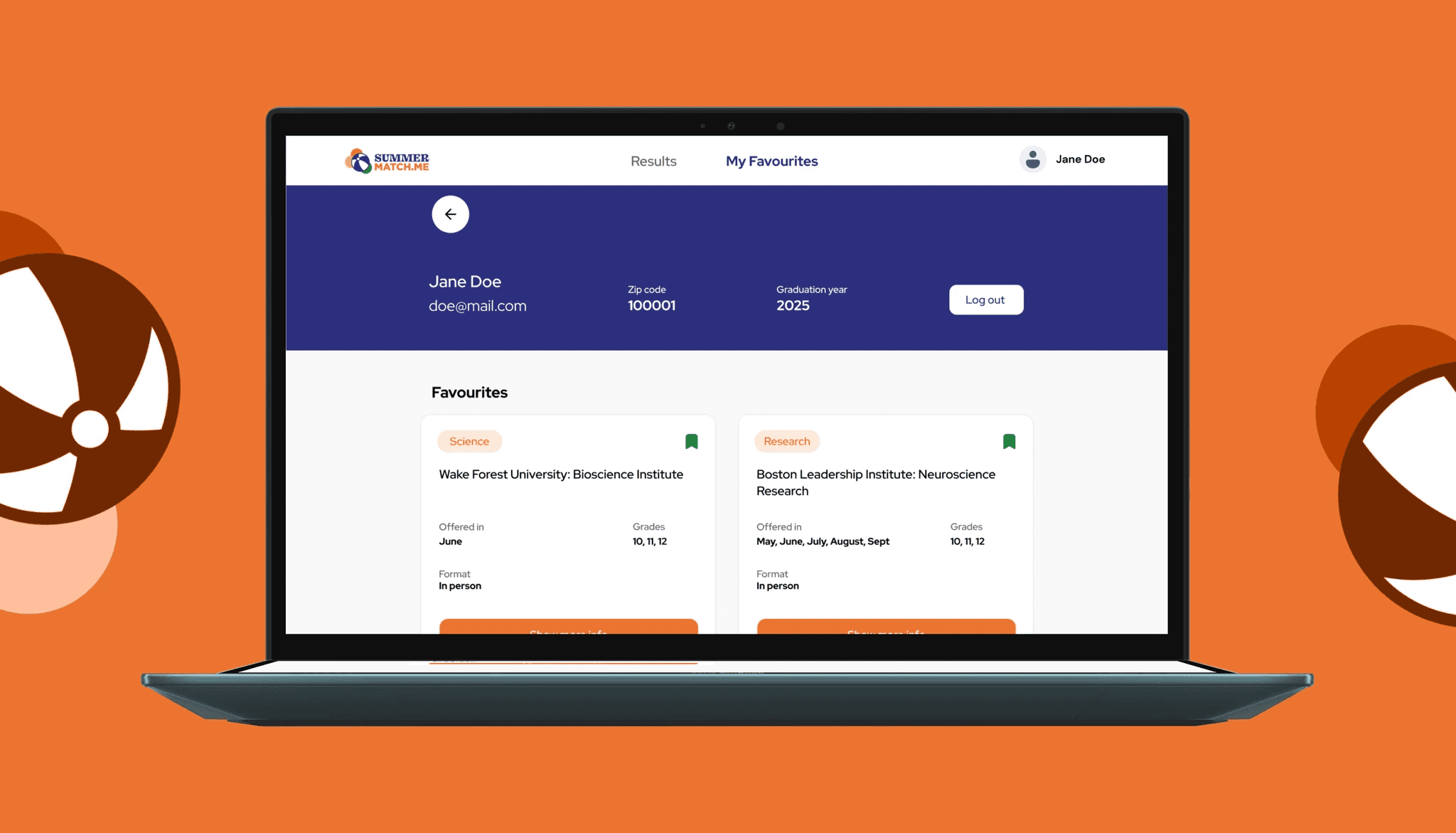
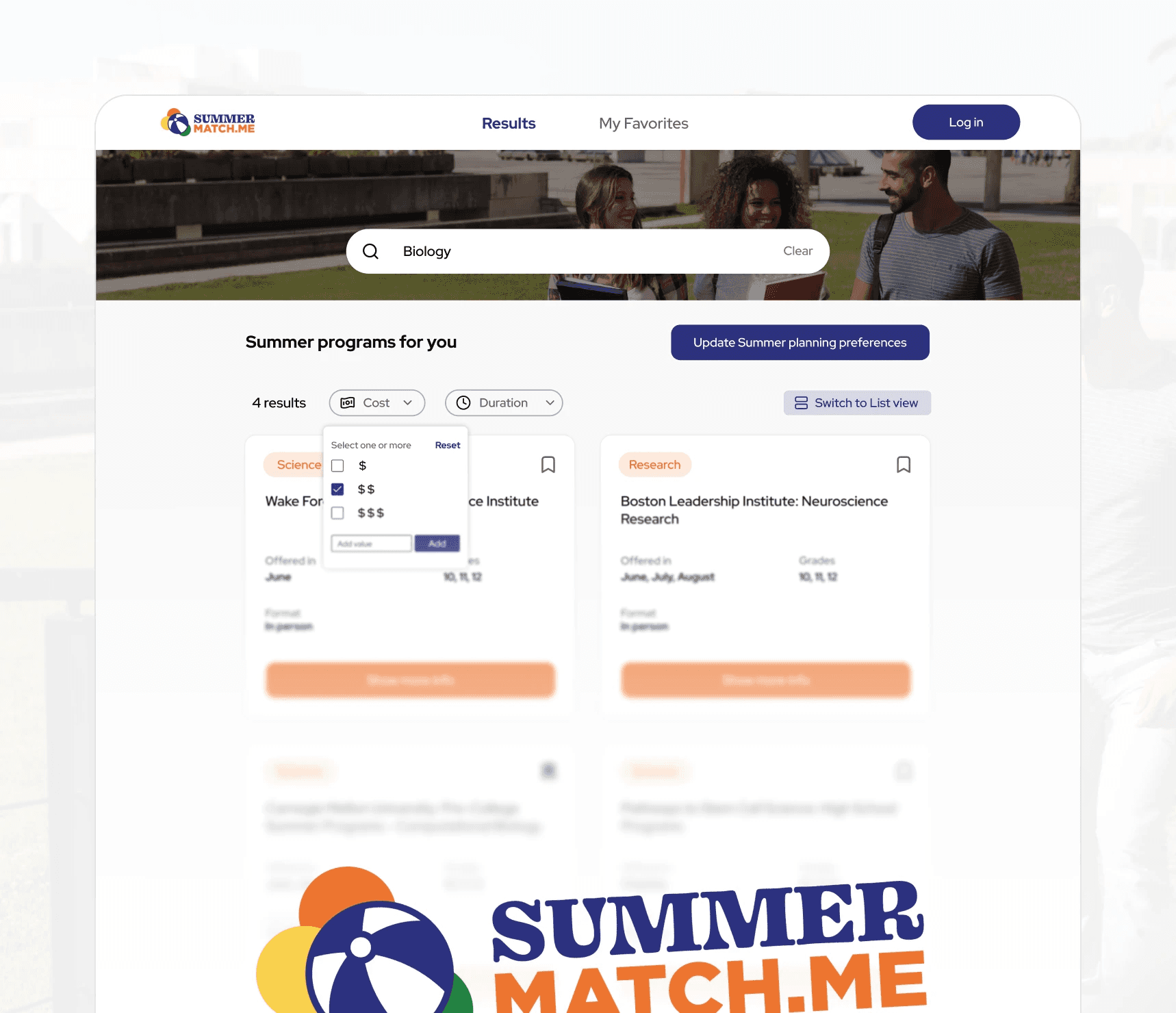


A redesigned tool with clean UX saves the founder's time and earns more.
Amazing

Abby Hofmeister
Head of Operations
Zen Educate
Growth experiments
10x
Saved
10 Hours
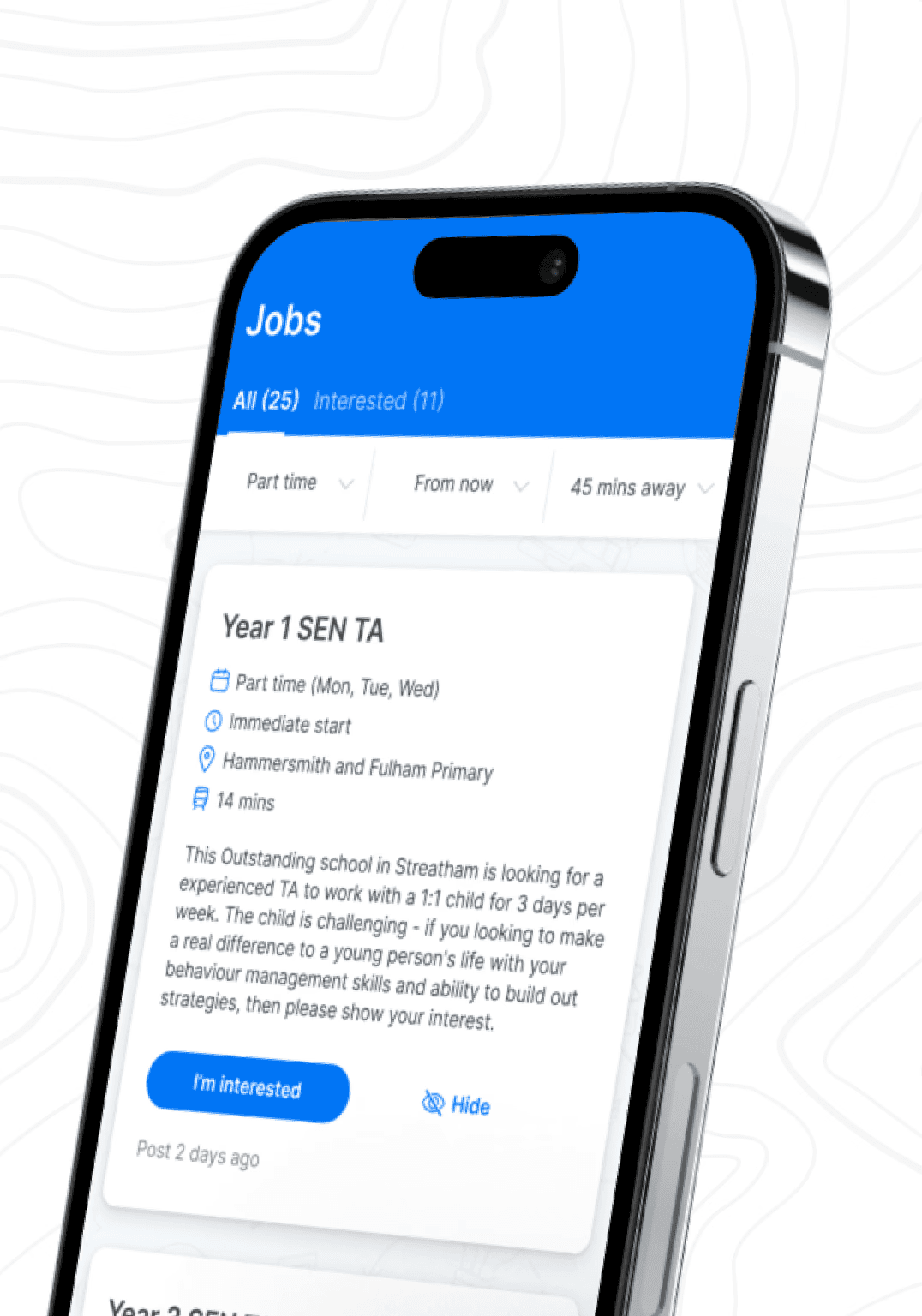
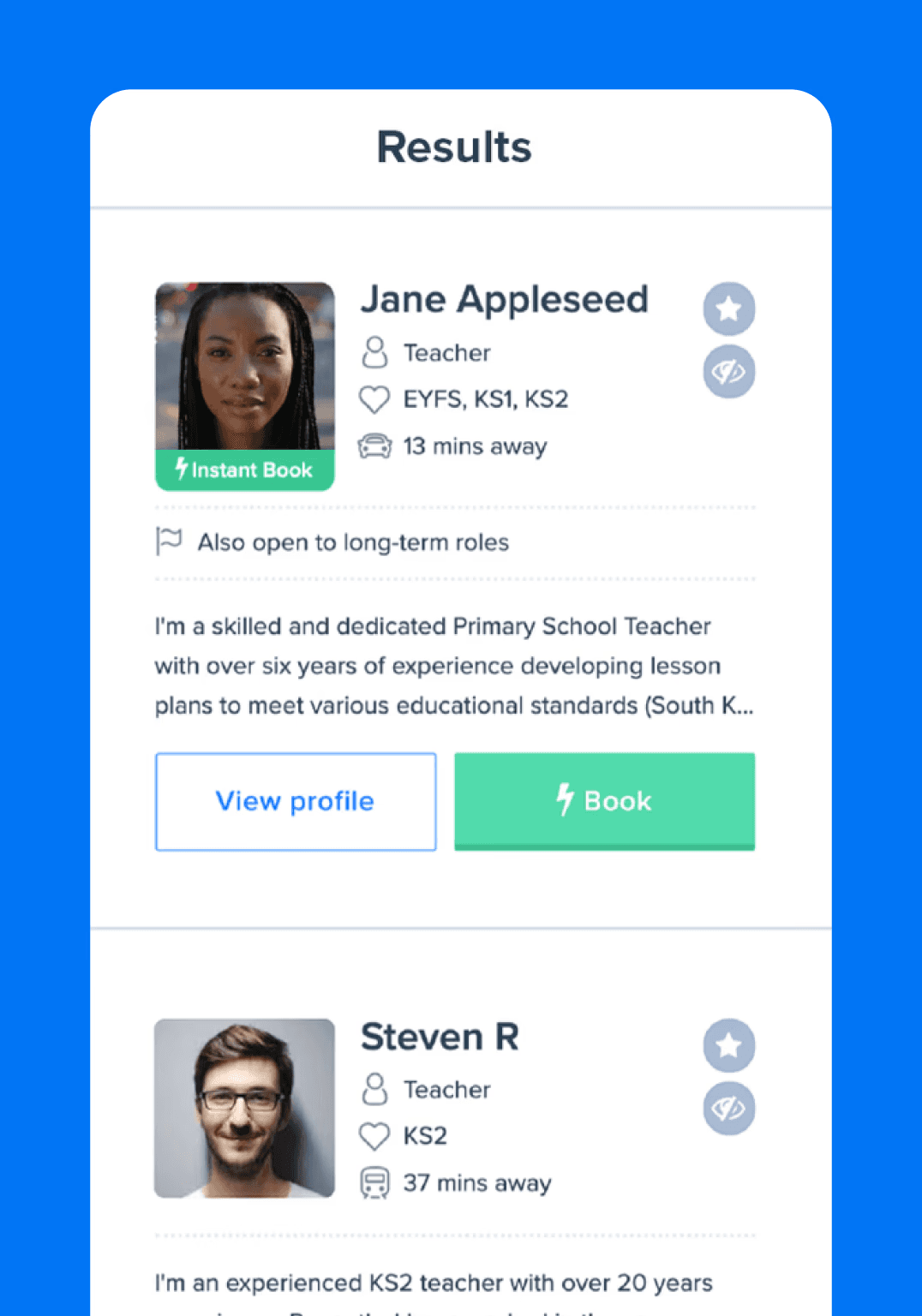
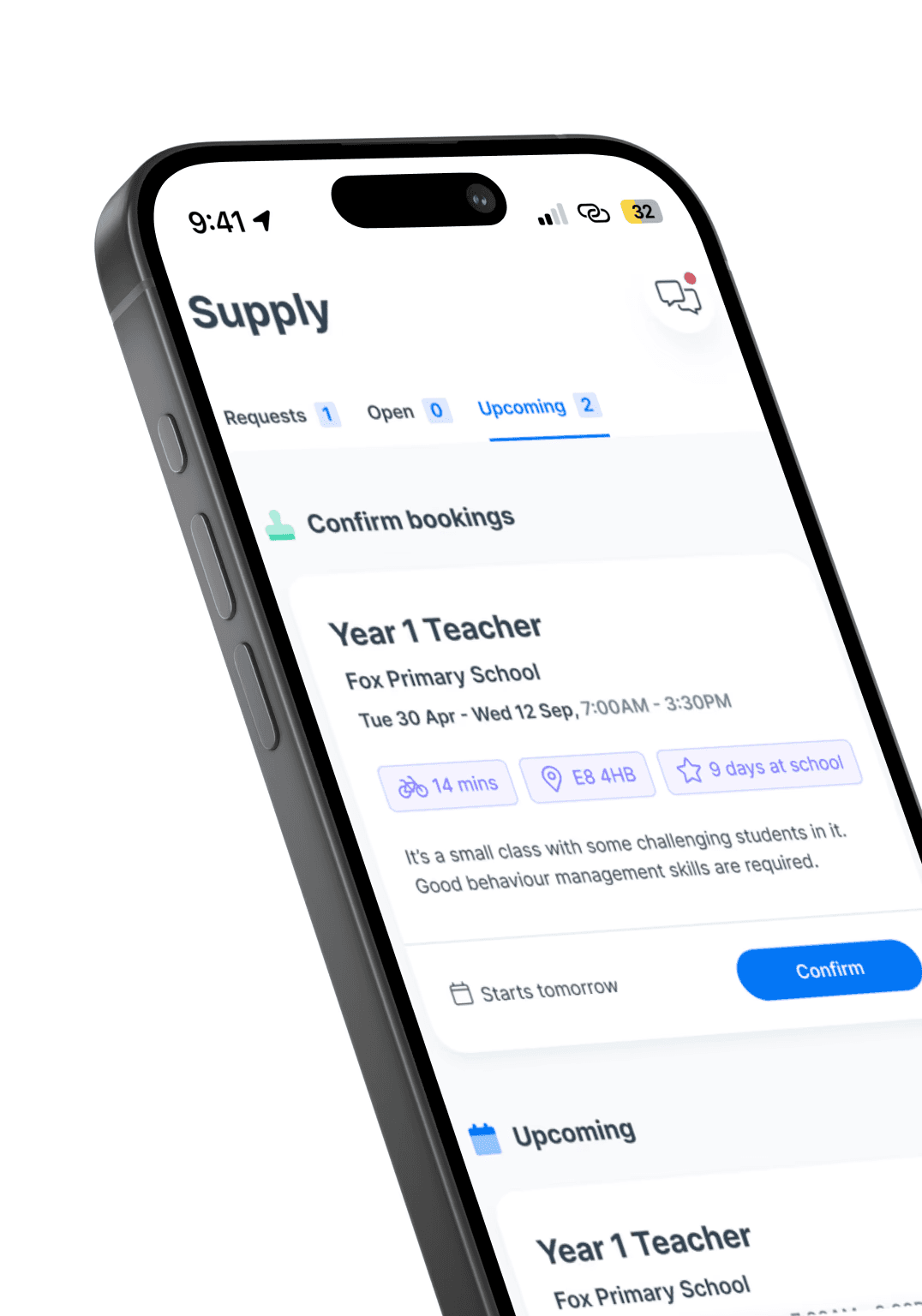

A redesigned tool with clean UX saves the founder's time and earns more.
Goodspeed were a brilliant partner throughout the migration. They were fast, responsive, and incredibly easy to work with.

Olivier Mermet
Group Product Manager
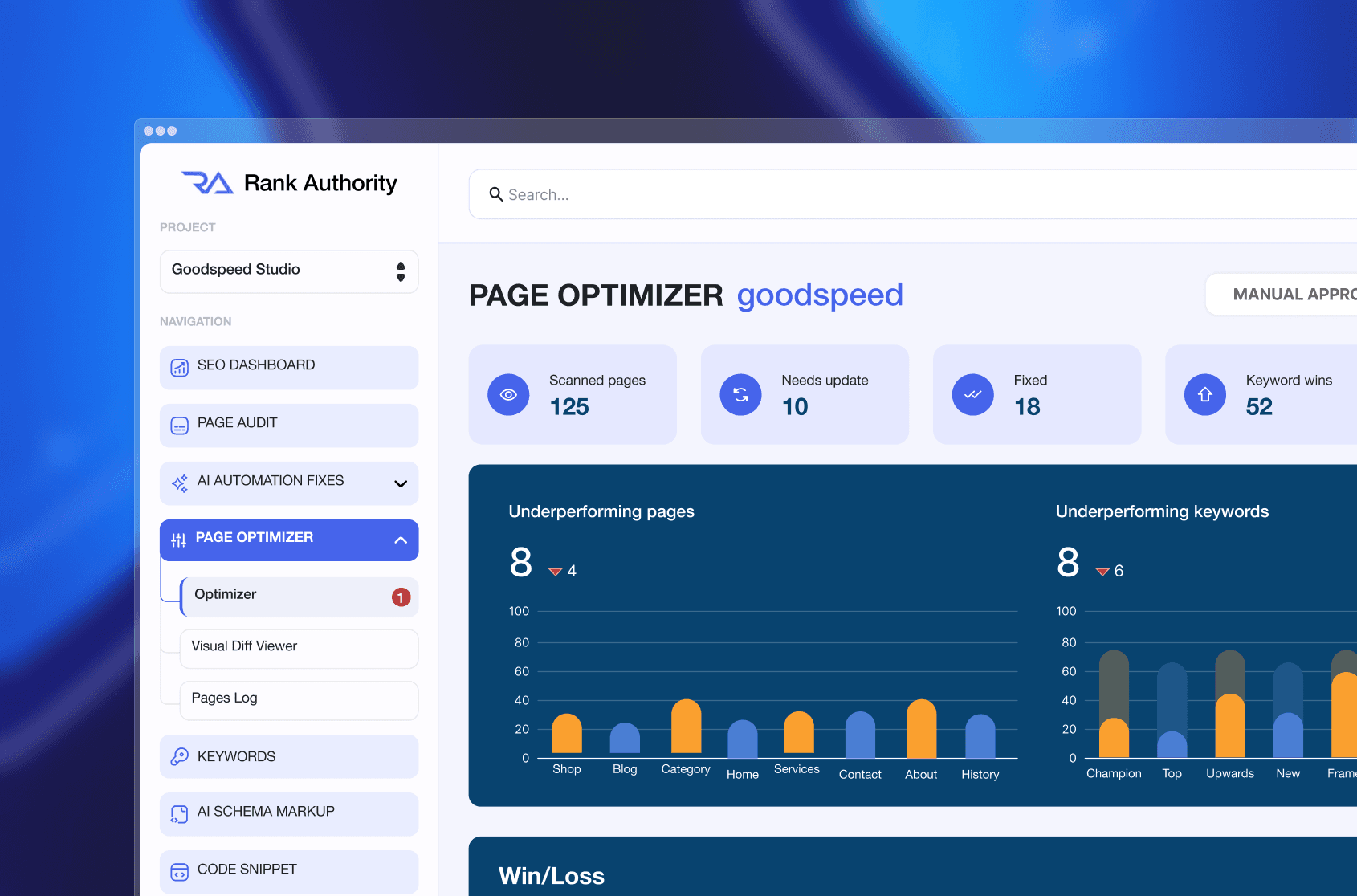
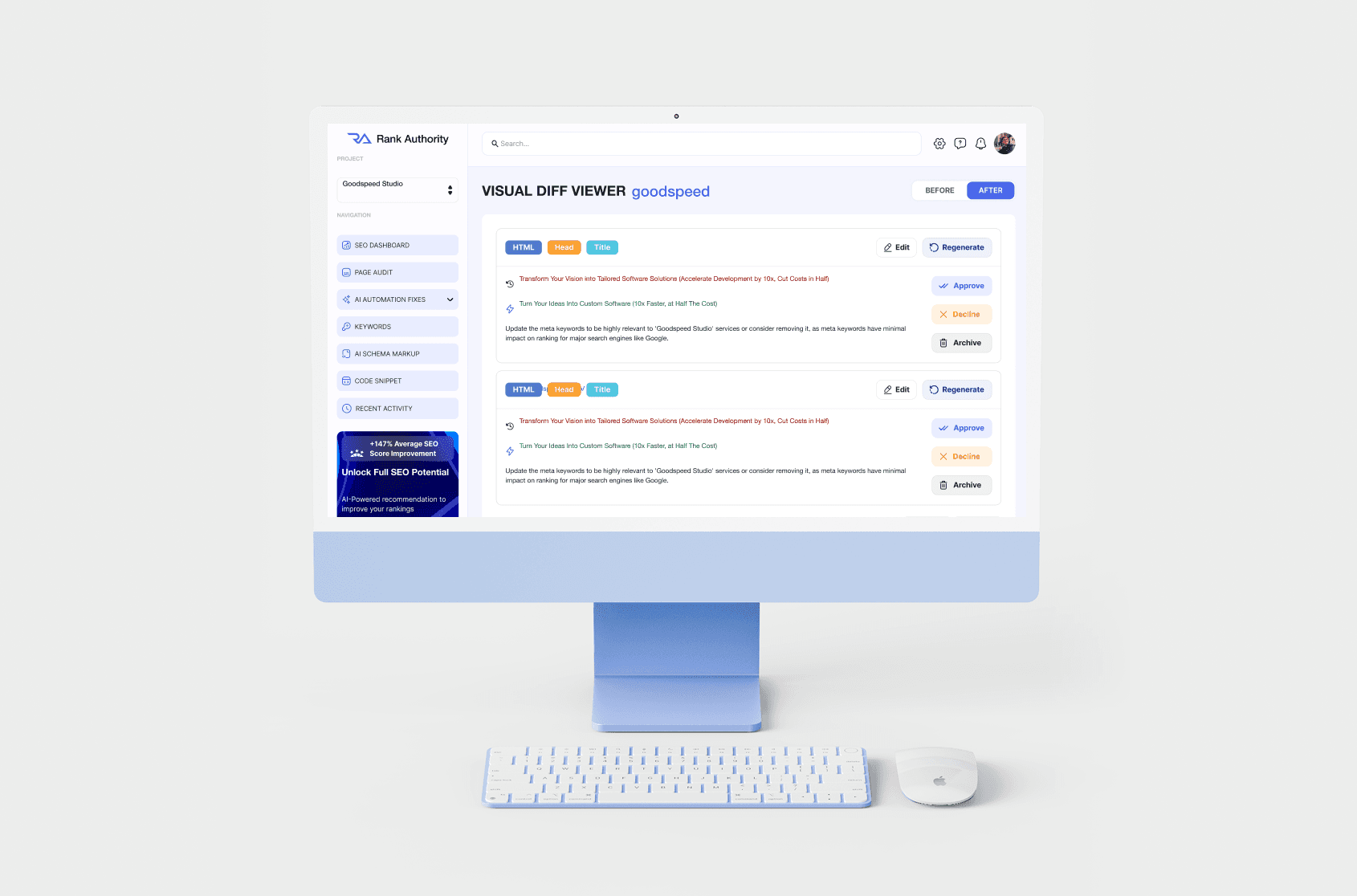
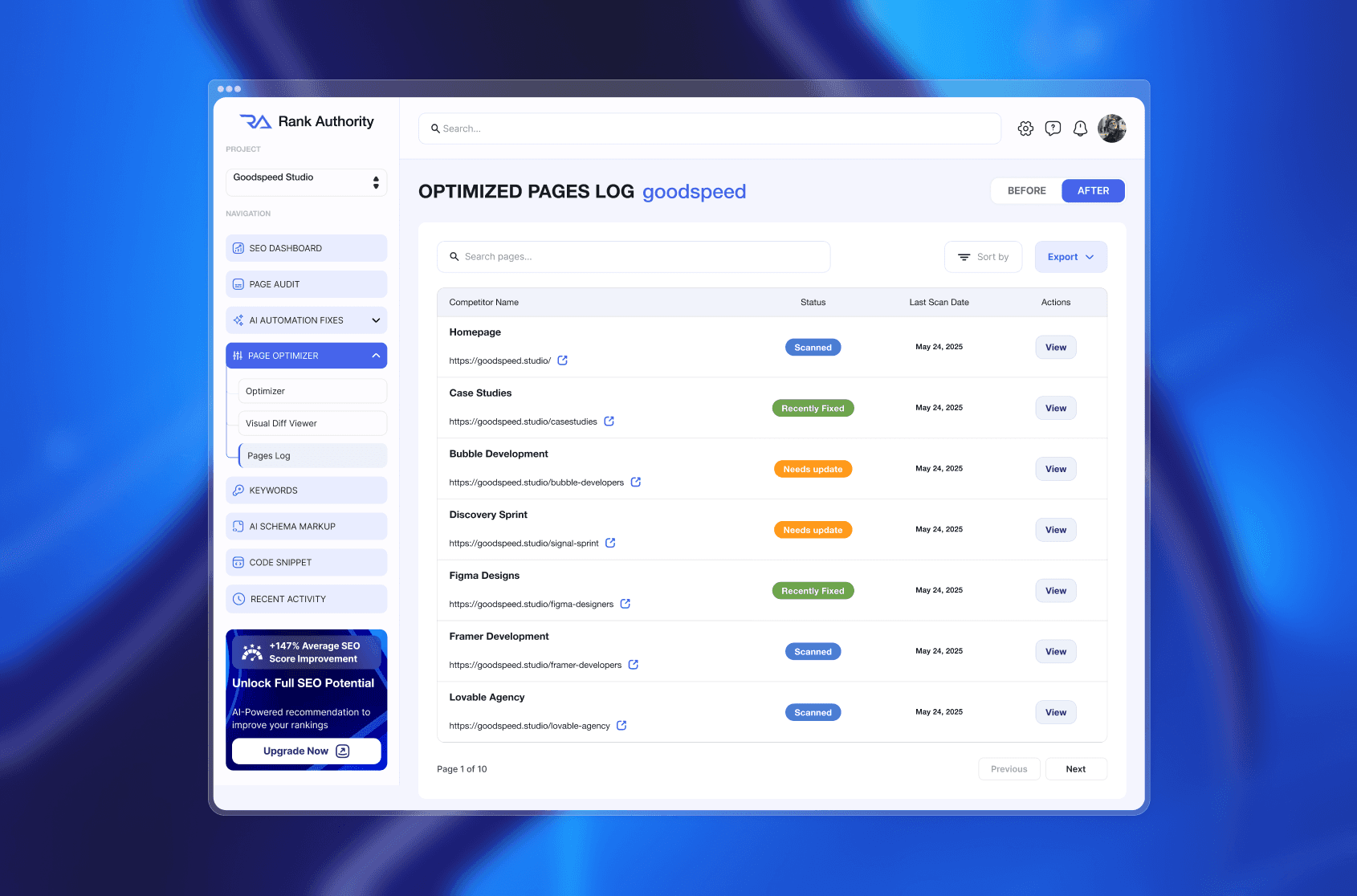
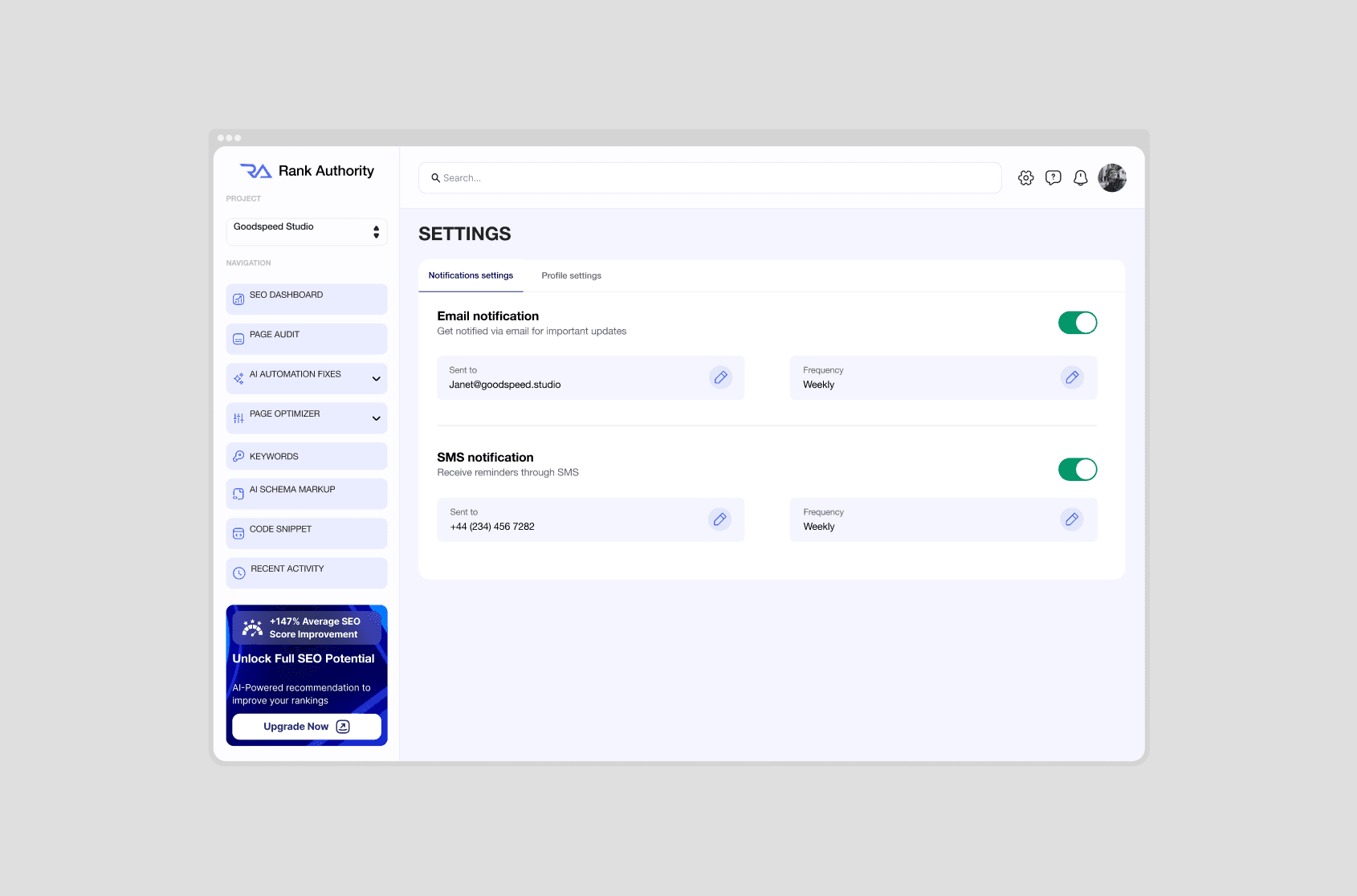
Rank Authority
AI
To Launch
4 Months
LLM Providers
8
A redesigned tool with clean UX saves the founder's time and earns more.
I'm absolutely very impressed with what Goodspeed have put together. The dashboard, the design, the layout, everything about it. It is just absolutely wonderful.

Bryan D'Antonio
Founder
SizzleKick
AI
On AppExchange
Certified
Sales Coach
AI
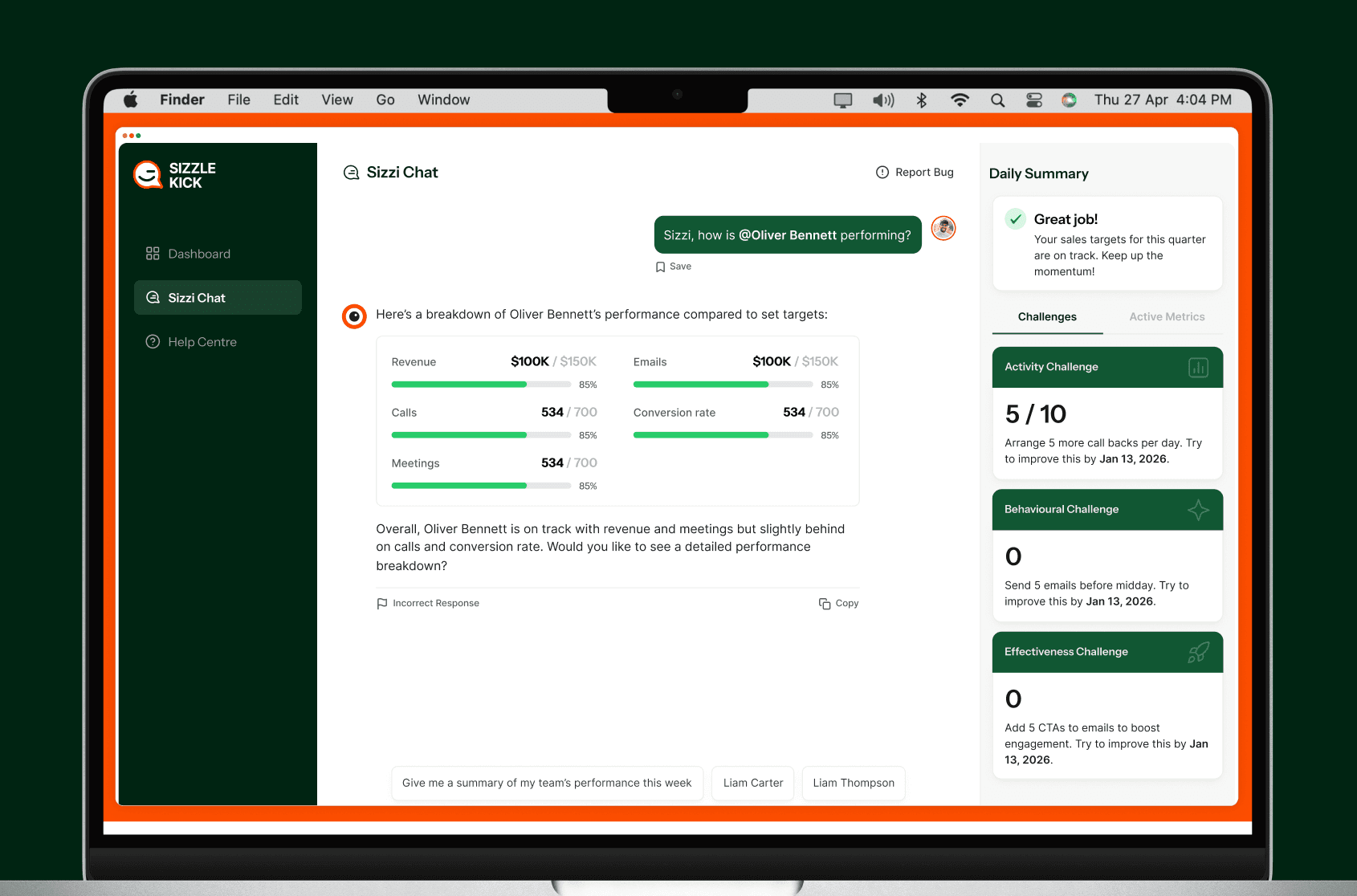
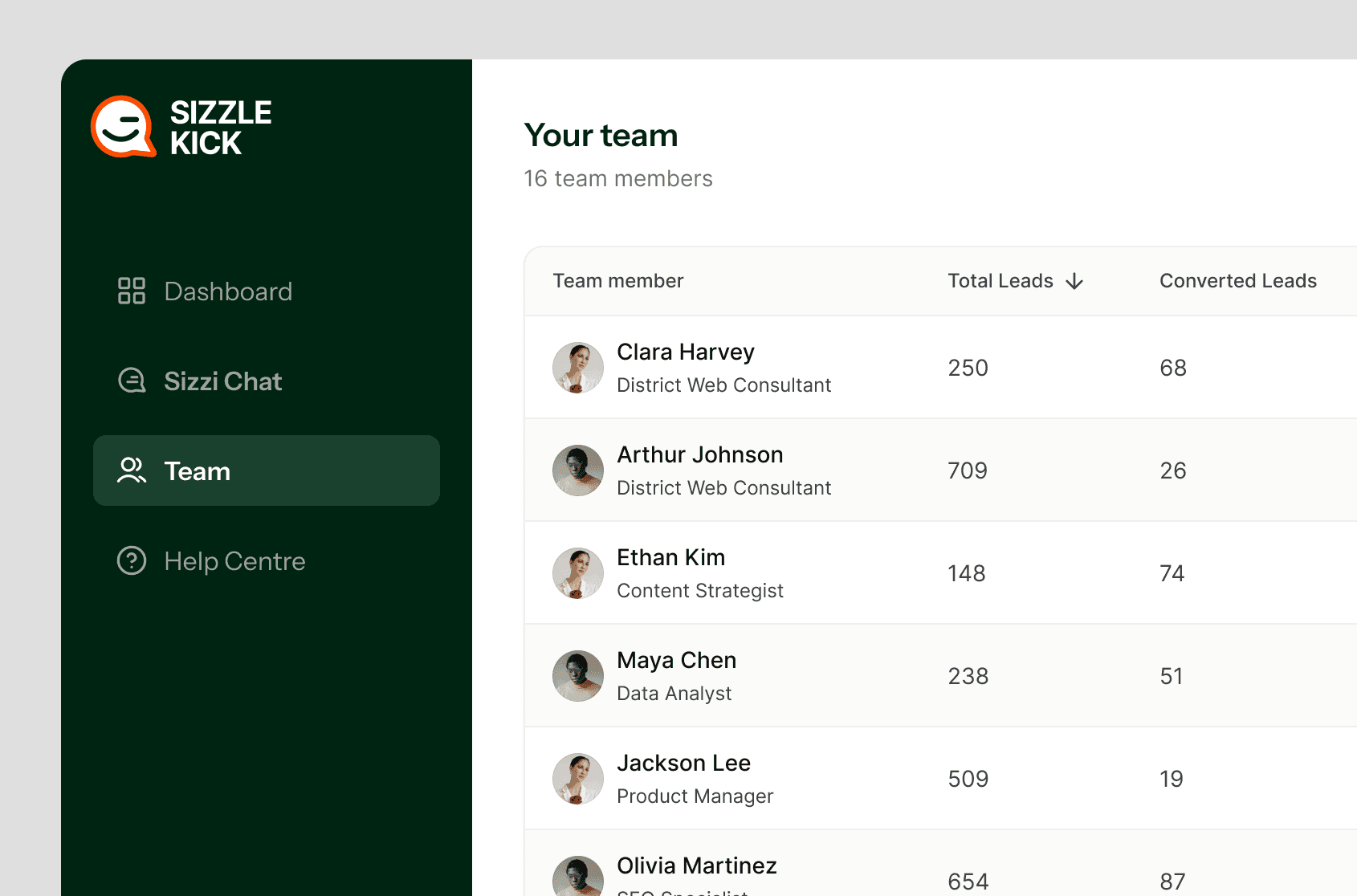
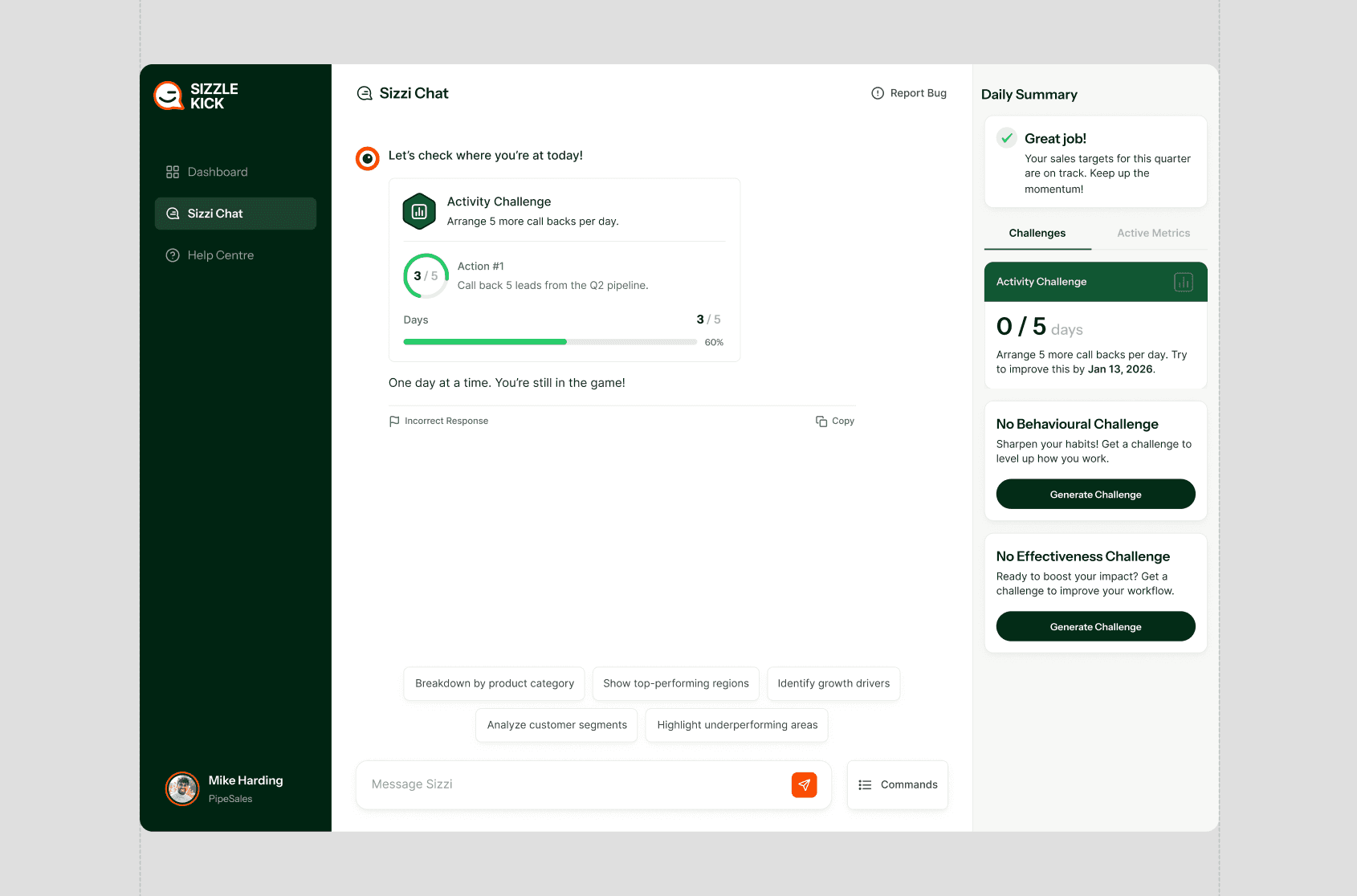
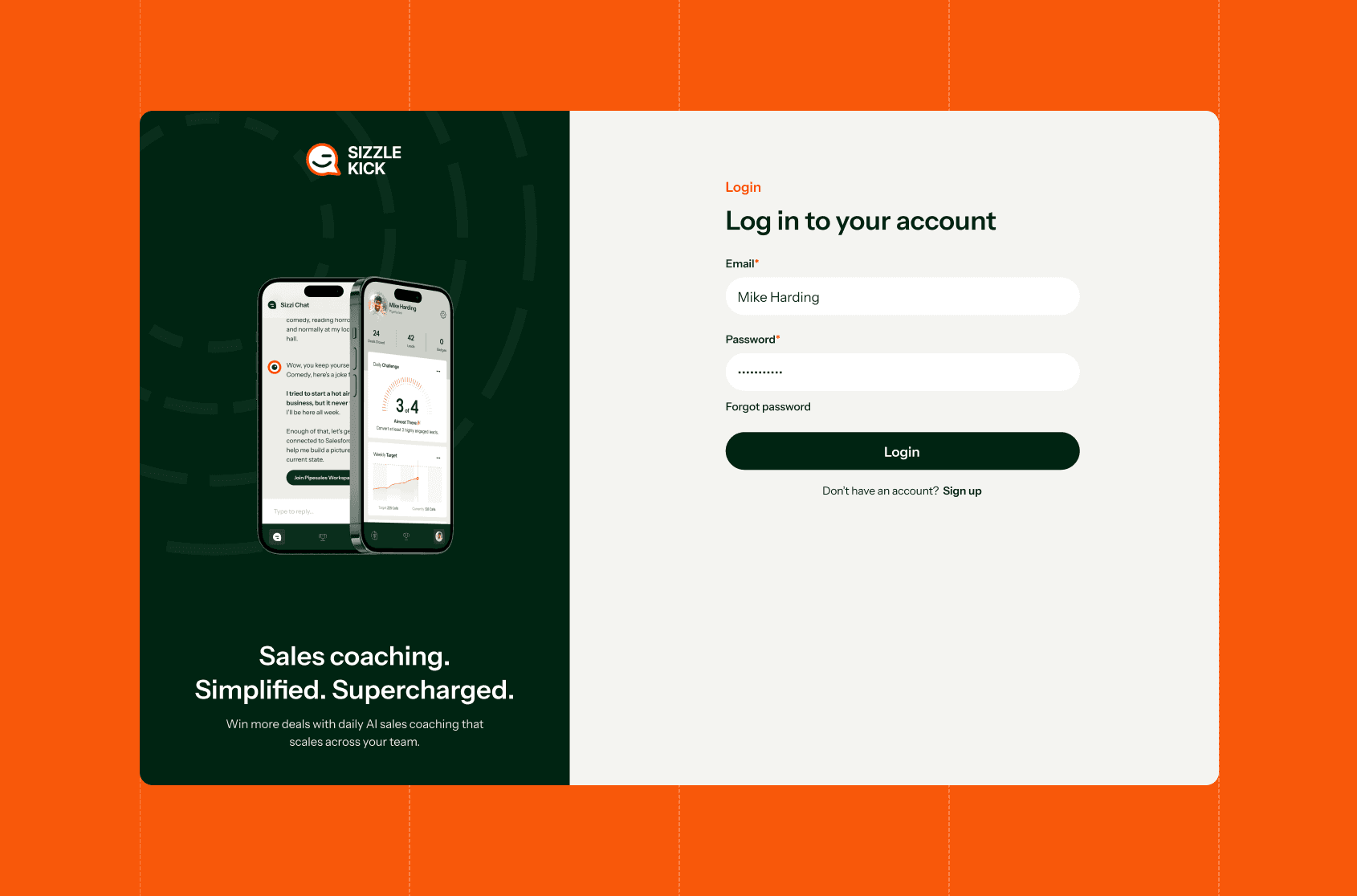
A redesigned tool with clean UX saves the founder's time and earns more.
Goodspeed’s ability to think about how to do things in a better and more intelligent way is impressive. They have a new approach to development and design.

Andrew Heath
Founder
Wisk
Automotive
Raised
$500m
To Go Live
2 Months

A redesigned tool with clean UX saves the founder's time and earns more.
They've helped us bring our vision to life and go live in an extremely compressed time schedule.

Diane Stember
Creative Director
HubSync
Finance
Records synced in real time
25,000+
Automations built, 10 live
20
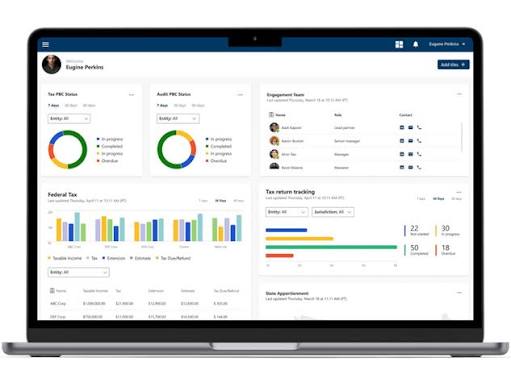



A redesigned tool with clean UX saves the founder's time and earns more.
Oyster
AI
Projected annual impact
$105k
Hours saved per year
3,658


A redesigned tool with clean UX saves the founder's time and earns more.
You looked at what we actually do, found the bottlenecks, and built solutions. For me, that's what owning outcomes looks like. You proved it works.
Hadi Moussa
CEO, Oyster
GameU
Edtech
To Build
3 Months
Hours of Courses
1,300+
A redesigned tool with clean UX saves the founder's time and earns more.
It was great to see how fast they were able to ramp up our project and understand what we were trying to build.
Michael Kawas
Founder
MyAskAI
AI
Reduction in CPU
30%
Code references optimised
500+
A redesigned tool with clean UX saves the founder's time and earns more.
It was the best project management service I've experienced working with third-party developers or agencies
Alex Rainey
CEO
SummerMatch
Edtech
By Guidewell
Acquired
Faster
2x
A redesigned tool with clean UX saves the founder's time and earns more.
Amazing
Abby Hofmeister
Head of Operations
Zen Educate
Growth experiments
10x
Saved
10 Hours
A redesigned tool with clean UX saves the founder's time and earns more.
Goodspeed were a brilliant partner throughout the migration. They were fast, responsive, and incredibly easy to work with.
Olivier Mermet
Group Product Manager
Rank Authority
AI
To Launch
4 Months
LLM Providers
8
A redesigned tool with clean UX saves the founder's time and earns more.
I'm absolutely very impressed with what Goodspeed have put together. The dashboard, the design, the layout, everything about it. It is just absolutely wonderful.
Bryan D'Antonio
Founder
SizzleKick
AI
On AppExchange
Certified
Sales Coach
AI
A redesigned tool with clean UX saves the founder's time and earns more.
Goodspeed’s ability to think about how to do things in a better and more intelligent way is impressive. They have a new approach to development and design.
Andrew Heath
Founder
Wisk
Automotive
Raised
$500m
To Go Live
2 Months
A redesigned tool with clean UX saves the founder's time and earns more.
They've helped us bring our vision to life and go live in an extremely compressed time schedule.
Diane Stember
Creative Director
HubSync
Finance
Records synced in real time
25,000+
Automations built, 10 live
20
A redesigned tool with clean UX saves the founder's time and earns more.
Oyster
AI
Projected annual impact
$105k
Hours saved per year
3,658
A redesigned tool with clean UX saves the founder's time and earns more.
You looked at what we actually do, found the bottlenecks, and built solutions. For me, that's what owning outcomes looks like. You proved it works.
Hadi Moussa
CEO, Oyster
Ready to replace chaos with clockwork?
Ready to replace chaos with clockwork?
Custom internal tools & lightweight SaaS products
that actually fit your business
⚡
Our Process
📦
Three Steps To Success
Think of Goodspeed as your integrated product team. We take care of discovery, design, development and delivery. While you take care of business.
01
Discovery
02
Design
03
Delivery & Support
Duration:
1-2 weeks
We don’t start by guessing. We start by listening.
We learn how your business works, what slows it down, and what success actually looks like - then turn that into a clear product plan with our discovery sprint.
⚡
Our Process
📦
Three Steps To Success
Think of Goodspeed as your integrated product team. We take care of discovery, design, development and delivery. While you take care of business.
01
Discovery & UX Flow
02
Build & Integrate
03
Delivery & Support
Duration:
1-3 weeks
We don’t start with features. We dig deep into your workflows and goals to design a lean, focused product plan.
Deep dive into your current systems
Prioritized scope: must-haves vs. nice-to-haves
User flows + wireframes that make sense
You leave with clarity, alignment, and a smart plan for what’s next.
⚡
Our Process
📦
Three Steps To Success
Think of Goodspeed as your integrated product team. We take care of discovery, design, development and delivery. While you take care of business.
01
Discovery & UX Flow
02
Build & Integrate
03
Delivery & Support
Duration:
1-3 weeks
We don’t start with features. We dig deep into your workflows and goals to design a lean, focused product plan.
Deep dive into your current systems
Prioritized scope: must-haves vs. nice-to-haves
User flows + wireframes that make sense
You leave with clarity, alignment, and a smart plan for what’s next.
Delivery Options
Delivery Options
Delivery Options
Choose the delivery mode that fits your compliance workflows.
Choose the delivery mode that fits your compliance workflows.
Web Applications

Web applications offer broad accessibility and centralized updates, ideal for compliance teams requiring consistent access across locations. Choose this mode for complex dashboards and multi-user collaboration.
Mobile Applications

Mobile apps provide on-the-go compliance management, enabling field agents and auditors to capture evidence and approve workflows in real-time. Best suited for distributed teams requiring offline capabilities.
Progressive Web Apps (PWAs)

PWAs combine the reach of web apps with native app features like offline use and push notifications. Ideal for organizations seeking lightweight deployments without app store dependencies.
Ongoing Support
Your Product Team, On Demand
Your Product Team, On Demand
We handle the product. You focus on growth.
We handle the product. You focus on growth.
Feature Updates & Bug Fixes
Continuous improvements and rapid issue resolution to keep your tool running smoothly
Prioritized Roadmap Sessions
Strategic planning sessions to align your product roadmap with business goals
Dedicated Designer + Developer
Your own expert team members who know your product inside and out
Slack + ClickUp Updates
Real-time communication and project tracking integrated into your workflow
“
"Felt like part of our team."

Robert Lo Blue
CEO, Freeholder
Loved by Entrepreneurs. Loved by Enterprises.
Businesses of all sizes trust Goodspeed to launch and grow their product



"Goodspeed listened to my needs and worked hard to get it done. They were fast and very helpful."
Kim Westerlund
CEO, The Branding Table
5.0

"They understood the problem I was trying to solve with my app."
Robert Lo Bue
CEO, Oxmore
5.0

"They work quickly and flexibly on a very tight timeline."
Erik Muckenschnabel
Product Lead, IT Services Startup
5.0

"Goodspeed is highly dedicated to providing the best experience possible for us."
Vincent Moser
Venture Developer, FoundersLane
5.0

"They're driven and experienced individuals who manage their team of remote engineers very effectively."
Charles Oxley
Director, Move
5.0

"It was great to see how fast they were able to ramp up our project and understand what we were trying to build."
Michael Kawas
Founder & CEO, GameU
5.0

"It was the best project management service I've experienced working with third-party developers or agencies."
Alex Rainey
Founder, My AskAI
5.0

"Their speed and ability to produce what was needed through no code was impressive."
Eric Spector
Owner, Bellmade
5.0

"Goodspeed is very responsive, and they try their best to put themselves in the shoes of their clients."
Yassine Larbi
Founder, Stratverse
5.0
Loved by Entrepreneurs. Loved by Enterprises.
Businesses of all sizes trust Goodspeed to launch and grow their product
"Goodspeed listened to my needs and worked hard to get it done. They were fast and very helpful."
Kim Westerlund
CEO, The Branding Table
5.0
"They understood the problem I was trying to solve with my app."
Robert Lo Bue
CEO, Oxmore
5.0
"They work quickly and flexibly on a very tight timeline."
Erik Muckenschnabel
Product Lead, IT Services Startup
5.0
"Goodspeed is highly dedicated to providing the best experience possible for us."
Vincent Moser
Venture Developer, FoundersLane
5.0
"They're driven and experienced individuals who manage their team of remote engineers very effectively."
Charles Oxley
Director, Move
5.0
"It was great to see how fast they were able to ramp up our project and understand what we were trying to build."
Michael Kawas
Founder & CEO, GameU
5.0
"It was the best project management service I've experienced working with third-party developers or agencies."
Alex Rainey
Founder, My AskAI
5.0
"Their speed and ability to produce what was needed through no code was impressive."
Eric Spector
Owner, Bellmade
5.0
"Goodspeed is very responsive, and they try their best to put themselves in the shoes of their clients."
Yassine Larbi
Founder, Stratverse
5.0
Loved by Entrepreneurs. Loved by Enterprises.
Businesses of all sizes trust Goodspeed to launch and grow their product
"Goodspeed listened to my needs and worked hard to get it done. They were fast and very helpful."
Kim Westerlund
CEO, The Branding Table
5.0
"They understood the problem I was trying to solve with my app."
Robert Lo Bue
CEO, Oxmore
5.0
"They work quickly and flexibly on a very tight timeline."
Erik Muckenschnabel
Product Lead, IT Services Startup
5.0
"Goodspeed is highly dedicated to providing the best experience possible for us."
Vincent Moser
Venture Developer, FoundersLane
5.0
"They're driven and experienced individuals who manage their team of remote engineers very effectively."
Charles Oxley
Director, Move
5.0
"Goodspeed is very responsive, and they try their best to put themselves in the shoes of their clients."
Yassine Larbi
Founder, Stratverse
5.0
"Their speed and ability to produce what was needed through no code was impressive."
Eric Spector
Owner, Bellmade
5.0
"It was the best project management service I've experienced working with third-party developers or agencies."
Alex Rainey
Founder, My AskAI
5.0
"It was great to see how fast they were able to ramp up our project and understand what we were trying to build."
Michael Kawas
Founder & CEO, GameU
5.0
Frequently Asked Questions
Frequently Asked Questions
Got any questions?
Got any questions?
How can a marketing attribution dashboard help me figure out which campaigns are truly driving revenue across all channels?
A marketing attribution dashboard aggregates data from all your marketing channels—whether it’s paid ads, email, SEO, or social—to give you a unified view of performance. It uses customizable attribution models that fit your business rules to assign credit accurately to each touchpoint in the customer journey. Instead of relying on siloed reports or guesswork, you get precise insights showing exactly which campaigns, keywords, or channels are generating actual revenue, letting you optimize spend confidently and prioritize the highest ROI activities.
We have a complex sales cycle and multiple touchpoints; how flexible are attribution models in your dashboards to handle our business nuances?
Our dashboards are built to support flexible, custom attribution models including first-touch, last-touch, linear, time-decay, and even fully bespoke models that can incorporate your unique business logic. This flexibility is critical for complex sales cycles with multiple decision-makers and touchpoints, ensuring the attribution aligns with how your business actually drives revenue. You can easily tweak or combine models as your strategy evolves, enabling ongoing alignment between marketing efforts and actual sales outcomes.
Our dashboards are built to support flexible, custom attribution models including first-touch, last-touch, linear, time-decay, and even fully bespoke models that can incorporate your unique business logic. This flexibility is critical for complex sales cycles with multiple decision-makers and touchpoints, ensuring the attribution aligns with how your business actually drives revenue. You can easily tweak or combine models as your strategy evolves, enabling ongoing alignment between marketing efforts and actual sales outcomes.
We’re currently juggling Airtable, Notion, and Zapier for marketing reporting—how would switching to an attribution dashboard improve speed and efficiency?
Duct-taped workflows like Airtable and Zapier often slow down reporting and introduce errors due to manual data handling. Our marketing attribution dashboards automate data collection, normalization, and processing across all channels, delivering real-time insights in one intuitive interface. The low-code platform supports fast iteration on metrics and visualizations without needing heavy developer involvement, dramatically reducing operational overhead and enabling your team to make faster, data-driven decisions.
Duct-taped workflows like Airtable and Zapier often slow down reporting and introduce errors due to manual data handling. Our marketing attribution dashboards automate data collection, normalization, and processing across all channels, delivering real-time insights in one intuitive interface. The low-code platform supports fast iteration on metrics and visualizations without needing heavy developer involvement, dramatically reducing operational overhead and enabling your team to make faster, data-driven decisions.
How do you ensure data consistency and handle anomalies like duplicate leads, missing data, or tracking gaps across multiple platforms?
We leverage AI-driven data normalization and anomaly detection to automatically identify and correct data inconsistencies such as duplicates, missing values, or tracking errors. This ensures the data feeding your attribution models is clean and trustworthy. Regular integrity checks and alerts enable your team to proactively address tracking gaps and maintain high-quality insights, essential for making reliable marketing decisions.
We leverage AI-driven data normalization and anomaly detection to automatically identify and correct data inconsistencies such as duplicates, missing values, or tracking errors. This ensures the data feeding your attribution models is clean and trustworthy. Regular integrity checks and alerts enable your team to proactively address tracking gaps and maintain high-quality insights, essential for making reliable marketing decisions.
What kind of integrations can I expect? Will the attribution dashboard play nicely with our existing marketing stack and CRM?
Our attribution dashboards integrate seamlessly with a wide range of marketing platforms (Google Ads, Facebook Ads, LinkedIn, HubSpot, Marketo, etc.) and popular CRMs like Salesforce, HubSpot CRM, and more. We use API-driven connectors and webhooks to ensure real-time synchronization of customer, campaign, and revenue data. This unified data pipeline means your reporting is always up to date, and you avoid information silos or manual exports/imports.
Our attribution dashboards integrate seamlessly with a wide range of marketing platforms (Google Ads, Facebook Ads, LinkedIn, HubSpot, Marketo, etc.) and popular CRMs like Salesforce, HubSpot CRM, and more. We use API-driven connectors and webhooks to ensure real-time synchronization of customer, campaign, and revenue data. This unified data pipeline means your reporting is always up to date, and you avoid information silos or manual exports/imports.
Is it possible to customize the dashboard visuals and reports to suit specific internal and client-facing needs?
Absolutely. Customization is a core feature. You can tailor dashboards with flexible, interactive visuals that highlight metrics important to different stakeholders—whether it’s high-level ROI views for founders, granular channel-level data for marketing teams, or client-facing reports with clear narrative context. The platform supports drag-and-drop editing, configurable filters, and export options, so you can surface the right insights in the right format for every audience without relying on developers.
Absolutely. Customization is a core feature. You can tailor dashboards with flexible, interactive visuals that highlight metrics important to different stakeholders—whether it’s high-level ROI views for founders, granular channel-level data for marketing teams, or client-facing reports with clear narrative context. The platform supports drag-and-drop editing, configurable filters, and export options, so you can surface the right insights in the right format for every audience without relying on developers.
Our team doesn’t have much development bandwidth—how much technical support is required to implement and maintain these dashboards?
Our solution is designed for teams with limited dev resources. The low-code platform minimizes the need for complex engineering work to build or update dashboards. Our Discovery Sprint helps quickly map out your priorities and delivers a working prototype, reducing setup time. Post-launch, most maintenance and iteration can be handled by ops or marketing leads without coding. Of course, we offer expert support and consulting for deeper customization or troubleshooting.
Our solution is designed for teams with limited dev resources. The low-code platform minimizes the need for complex engineering work to build or update dashboards. Our Discovery Sprint helps quickly map out your priorities and delivers a working prototype, reducing setup time. Post-launch, most maintenance and iteration can be handled by ops or marketing leads without coding. Of course, we offer expert support and consulting for deeper customization or troubleshooting.
How scalable is this system as our marketing channels grow and evolve over time?
Scalability is baked in from the ground up. The platform handles increasing data volumes effortlessly, supports adding new channels or data sources with minimal friction, and allows evolving attribution models or reporting layers as your marketing matures. Because it’s cloud-native and low-code, you can rapidly iterate and deploy enhancements without costly reengineering, ensuring your growth velocity isn’t slowed by outdated tools.
Scalability is baked in from the ground up. The platform handles increasing data volumes effortlessly, supports adding new channels or data sources with minimal friction, and allows evolving attribution models or reporting layers as your marketing matures. Because it’s cloud-native and low-code, you can rapidly iterate and deploy enhancements without costly reengineering, ensuring your growth velocity isn’t slowed by outdated tools.
What’s the typical timeline and process if we want to start with a pilot or Discovery Sprint for a tailored attribution dashboard?
A Discovery Sprint usually spans 3-4 weeks and involves close collaboration to understand your current challenges, map data flows, define critical metrics, and deliver a custom prototype dashboard that showcases the value for your business. After the sprint, you get actionable recommendations and a tested working model that your team can pilot internally. This approach minimizes risk, aligns on priorities early, and sets the foundation for fast, impactful deployment.
A Discovery Sprint usually spans 3-4 weeks and involves close collaboration to understand your current challenges, map data flows, define critical metrics, and deliver a custom prototype dashboard that showcases the value for your business. After the sprint, you get actionable recommendations and a tested working model that your team can pilot internally. This approach minimizes risk, aligns on priorities early, and sets the foundation for fast, impactful deployment.
How do you avoid vendor lock-in and ensure we retain control over our data and attribution logic?
We prioritize transparency and flexibility by building on open standards and low-code tools that allow you to export your data and configuration anytime. The platform is designed to be vendor-neutral and avoids proprietary lock-in by enabling your team to own and adjust attribution logic directly. You maintain full control over your marketing insights and can migrate or extend your setup without dependency on our services, giving you strategic autonomy.
We prioritize transparency and flexibility by building on open standards and low-code tools that allow you to export your data and configuration anytime. The platform is designed to be vendor-neutral and avoids proprietary lock-in by enabling your team to own and adjust attribution logic directly. You maintain full control over your marketing insights and can migrate or extend your setup without dependency on our services, giving you strategic autonomy.



Get in touch
Ready to Build Smarter?
Explore how we can turn your idea into a scalable product fast with low-code, AI, and a battle-tested process.
Don't need a call? Email harish@goodspeed.studio
We’ve created products featured in





Get in touch
Ready to Build Smarter?
Explore how we can turn your idea into a scalable product fast with low-code, AI, and a battle-tested process.
Don't need a call? Email harish@goodspeed.studio
We’ve created products featured in
Get in touch
Ready to Build Smarter?
Explore how we can turn your idea into a scalable product fast with low-code, AI, and a battle-tested process.
Don't need a call? Email harish@goodspeed.studio
We’ve created products featured in